
OEM Compostable Bags: The Ultimate Eco-Friendly Packaging Solution for Your Brand
2026-07-22
In a world drowning in plastic waste, your brand’s packaging choice carries immense weight. Enter OEM compostable bags—the tailor-made, earth-friendly alternative that doesn’t compromise on quality or identity. At CHALLENGE WOLVES, we’re redefining what’s possible with custom, fully biodegradable packaging solutions. Curious how your business can lead the sustainability charge without sacrificing performance? Let’s dive in.
Your Logo, Our Earth-First Material
We believe a logo is more than a mark—it’s a statement. That’s why we pair your vision with materials that put the planet first, weaving sustainability into every stitch and surface without compromising on quality or durability.
From reclaimed ocean plastics to FSC-certified wood and biodegradable fabrics, each element is chosen to reduce waste and honor natural resources. Your brand identity becomes part of a cycle that respects ecosystems, not exploits them.
The result is tactile, honest, and unmistakably yours—products that speak your story while quietly restoring balance. We don’t just print logos; we embed purpose into physical forms, so what you carry forward carries meaning for everyone.
How Our Bags Go from Field to Packaging
It starts in the fields, where the crops are tended with more care than you’d expect for something that ends up holding your groceries. We time the harvest to the peak of fiber strength, never rushing the season. The plants are cut and left to ret in the open air, turning golden under the sun while dew and rain naturally separate the usable strands from the woody core.
Once bundled and dried, the long fibers travel to a small workshop, not a massive factory. There, they’re hand-combed and spun into a coarse, durable thread that still carries the texture of the field. The looms are old and slow, and that’s intentional—every yard of fabric gets time to breathe, keeping the weave irregular in a way that adds character instead of flaws. We don’t bleach or dye unless absolutely necessary, letting the raw, earthy tone speak for itself.
The cut-and-sew phase is just as thoughtful. Patterns are arranged to waste as little cloth as possible, and the offcuts find new life as smaller accessories or even as packaging fill. Each bag is turned inside out, inspected by someone who knows exactly how a seam should sit, then folded and wrapped in simple, uncoated paper that matches the bag inside—nothing shiny, nothing plastic. It’s a quiet, deliberate process that hasn’t changed much over the years, and that’s exactly how we like it.
Home Compostable, Not Just Industrially
When you see the term ‘compostable’, your mind might jump to images of high-tech facilities with regulated temperatures and microbial cocktails. That’s industrial composting—a controlled, large-scale operation that many municipal systems rely on. But there’s a quieter, more intimate kind of breakdown that happens much closer to home.
Home compostable products are designed to disintegrate and biodegrade in the slower, less predictable conditions of a backyard pile. Without the need for intense heat or specialized machinery, they naturally return to the soil, feeding worms and microbes along the way. This isn’t just a label; it’s a promise that you can toss it in with your kitchen scraps and watch nature do the rest, right under your apple tree.
Being home compostable means freedom from the dependency on infrastructure—no sorting, no hauling, no wondering if your green waste really ends up where it should. It’s a quiet revolution in circular living, closing the loop on your own terms, one banana peel and compostable fork at a time.
Tough Enough for Your Daily Business
Every morning, you grab your gear and head out the door. The last thing you need is equipment that can’t keep up with the grind. From accidental drops to spilled coffee, your tools need to handle whatever comes their way without missing a beat. Our designs are tested beyond the usual benchmarks because we know your day doesn’t follow a script.
We don’t just talk about durability—we bake it into every layer. Reinforced corners, spill-resistant keyboards, and shock-absorbent materials aren’t just features on a list; they’re what get you through that surprise rainstorm or the jostle of a packed subway. When your business demands reliability, settle for something that’s truly ready for the rough and tumble of real life.
Why Your Customers Will Love Unboxing with These
There's something almost magical about tearing open a package and discovering not just a product, but an experience. When the outer box slides open to reveal a neatly arranged interior, a subtle scent or a cleverly placed thank-you note, it’s no longer just a delivery—it’s a moment. Customers don’t just want what they ordered; they want to feel seen and appreciated. Thoughtful details, like custom tissue paper or a tiny freebie tucked inside, turn a simple transaction into a memory they’ll want to share.
The tactile pleasure of high-quality materials makes an immediate impression. A sturdy box with a satisfying magnetic closure, a soft ribbon, or a compostable mailer that feels substantial in hand—these choices speak louder than any marketing slogan. They signal that your brand sweats the small stuff. Before they even touch the actual product, customers have already formed an opinion based on how the package feels to hold, open, and explore. That emotional response often inspires the kind of organic word-of-mouth that no ad campaign can buy.
Surprise can be the secret ingredient. When a package reveals layers—a card with a playful message under the lid, a curated selection of samples matched to their taste, or a quick guide printed on seed paper—it keeps hands moving and curiosity high. The unboxing becomes a miniature treasure hunt, and every little discovery reinforces the idea that your brand goes the extra mile. In an era of one-click ordering, this kind of physical delight offers something rare: an unhurried, sensory pause that leaves a lasting impression.
The Real Difference Between Biodegradable and Compostable
Many people toss around the terms biodegradable and compostable as if they mean the same thing, but the distinction matters more than you might think. A biodegradable item will eventually break down into natural elements thanks to microorganisms, but it makes no promises about how long that takes or what it leaves behind. Something labeled biodegradable could decompose in a few months or linger for decades, and in a landfill without oxygen, it might not break down at all. There's also no requirement that the byproducts be nontoxic or beneficial to the soil—they just have to eventually disappear.
Compostable products, on the other hand, are held to a stricter standard. To earn that label, a material must break down within a specific timeframe under composting conditions and leave behind nothing but nutrient-rich organic matter that supports plant growth. Think of it this way: all compostable items are biodegradable, but not all biodegradable items are compostable. A compostable fork, for instance, is designed to fully disintegrate in a commercial composting facility within 90 days and turn into humus that actually improves the soil. A biodegradable fork might just eventually fragment into tiny plastic-like bits if it's made from certain polymers.
The real-world implications are huge, especially when you're trying to make eco-friendly choices. Without a standardized composting system, that compostable cup still ends up in the trash where it can't break down properly. Meanwhile, biodegradable items often lack clear disposal instructions, leading to confusion and greenwashing. Next time you see either label, remember that compostable is the one with a regulated definition and a positive end-of-life scenario—if it's actually composted. Biodegradable is a broader, fuzzier claim that doesn't guarantee anything beyond eventual breakdown, somewhere, someday.
FAQ
OEM compostable bags are custom-branded bags made from plant-based materials like cornstarch or PLA, designed to break down fully in composting environments. Unlike regular plastic bags that linger for centuries, these turn into nutrient-rich soil within months under the right conditions.
Compostable packaging directly reduces reliance on fossil fuels and cuts down plastic pollution, while modern manufacturing ensures they match the durability and print quality of conventional plastics. Brands can showcase genuine eco-commitment without compromising on look or function.
They work across a wide range—from food service and retail to fashion and e-commerce. Any business that uses flexible packaging can switch, but it's especially impactful for those dealing with organic waste or looking to reinforce an earth-friendly image.
Look for standards like EN 13432, ASTM D6400, or OK Compost HOME, which verify that the bags disintegrate and biodegrade properly in industrial or home composting setups. These certifications back up claims and ensure compliance in different regions.
Absolutely. You can customize everything from size and thickness to artwork, logos, and even texture. Manufacturers typically guide you through material selection, print options, and finishing touches to create a bag that feels distinctly yours.
Compostable bags do carry a premium—often 20-50% higher depending on order volume and materials—but the long-term payoff comes in customer loyalty, reduced environmental levies, and alignment with tightening regulations. Many brands find the switch pays for itself through enhanced brand value.
Conclusion
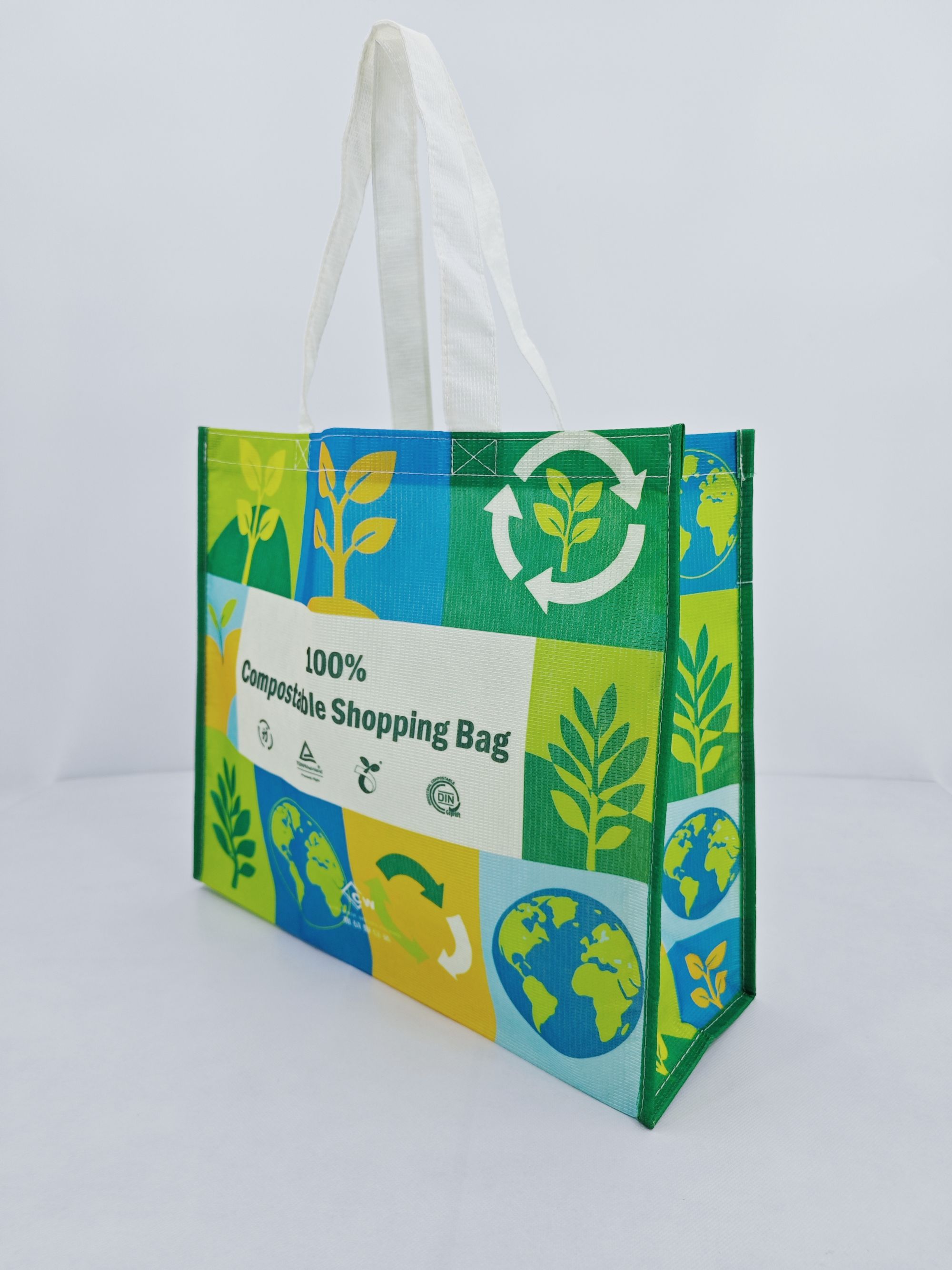
OEM compostable bags give your brand a way to make a real environmental statement without sacrificing identity. Instead of generic packaging, you get fully customizable bags printed with your logo, yet crafted from materials that return safely to the earth. Crucially, they aren't just labeled biodegradable—a term often misused—but are certified home compostable, meaning they break down in a backyard pile, not just in industrial facilities. This distinction matters, because it closes the loop: the bags we produce come from renewable, responsibly sourced plant starch, turning back into soil after use rather than lingering as microplastic.
But eco-credentials mean little if the bag fails on the job. That’s why ours are built tough enough to handle everyday business demands, from carrying groceries to protecting shipped goods. When a customer receives an order, the unboxing moment becomes a feel-good experience—they see a brand that aligns with their values, with packaging that looks premium but degrades harmlessly. From field to finished bag, our transparent production process means you can tell the full story behind your packaging. Choosing these bags isn’t just about meeting green targets; it’s about offering your customers a genuine composting solution that ordinary biodegradable plastics can't provide.
Contact Us
Contact Person: Tony
Email: [email protected]
Tel/WhatsApp: +8615859766913
Website: https://www.cw-pak.com