

Top 10 3-Side Seal Pouches for Durable Packaging Solutions
2026-06-11
In the world of product packaging, durability and reliability are non-negotiable. Three-side seal pouches have emerged as a go-to solution for businesses seeking lightweight yet robust packaging that protects contents from moisture, air, and contaminants. But with countless options on the market, how do you choose the right one? At Kody, we've tested and curated a list of the top 10 three-side seal pouches that offer exceptional strength and versatility. Whether you're in food, pharmaceuticals, or cosmetics, these picks will help you safeguard your products while maintaining a professional shelf appeal. Let’s dive in and find the perfect durable packaging solution for your needs.
Why 3-Side Seal Pouches Dominate Durable Packaging
The structure of 3-side seal pouches offers an uncompromising barrier against moisture, oxygen, and light—three primary culprits that degrade product quality over time. The uniform sealing on both sides and the bottom leaves no weak points, which means fewer chances for contaminants to sneak in or for the contents to leak out. From freeze-dried meals to industrial lubricants, these pouches extend shelf life in ways that rigid containers simply can’t match, largely because the flexible material flexes rather than fractures under physical stress.
Cost efficiency quietly drives their dominance as well. Unlike four-side seal or stand-up pouches that often require more complex machinery and material handling, the straightforward three-seal design speeds up production lines and minimizes material waste. The lighter weight also slashes shipping costs, especially for high-volume products where every ounce counts. Packaging engineers often note that the simplicity of the design doesn’t compromise performance—if anything, it streamlines the entire supply chain from filling to the end user’s hands.
Perhaps the most underappreciated asset is the sheer creative real estate these pouches offer. The flat, unobstructed front and back panels turn into billboards for bold graphics and clear product information, while the seamless construction reinforces a perception of reliability. As brands shift toward minimalist, functional aesthetics, the tidy, no-nonsense profile of a 3-side seal pouch aligns perfectly with consumer demands for durability that doesn’t scream bulkiness. It’s a quiet workhorse that silently outperforms flashier alternatives in the toughest conditions.
Material Matters: Choosing the Right Film for Longevity
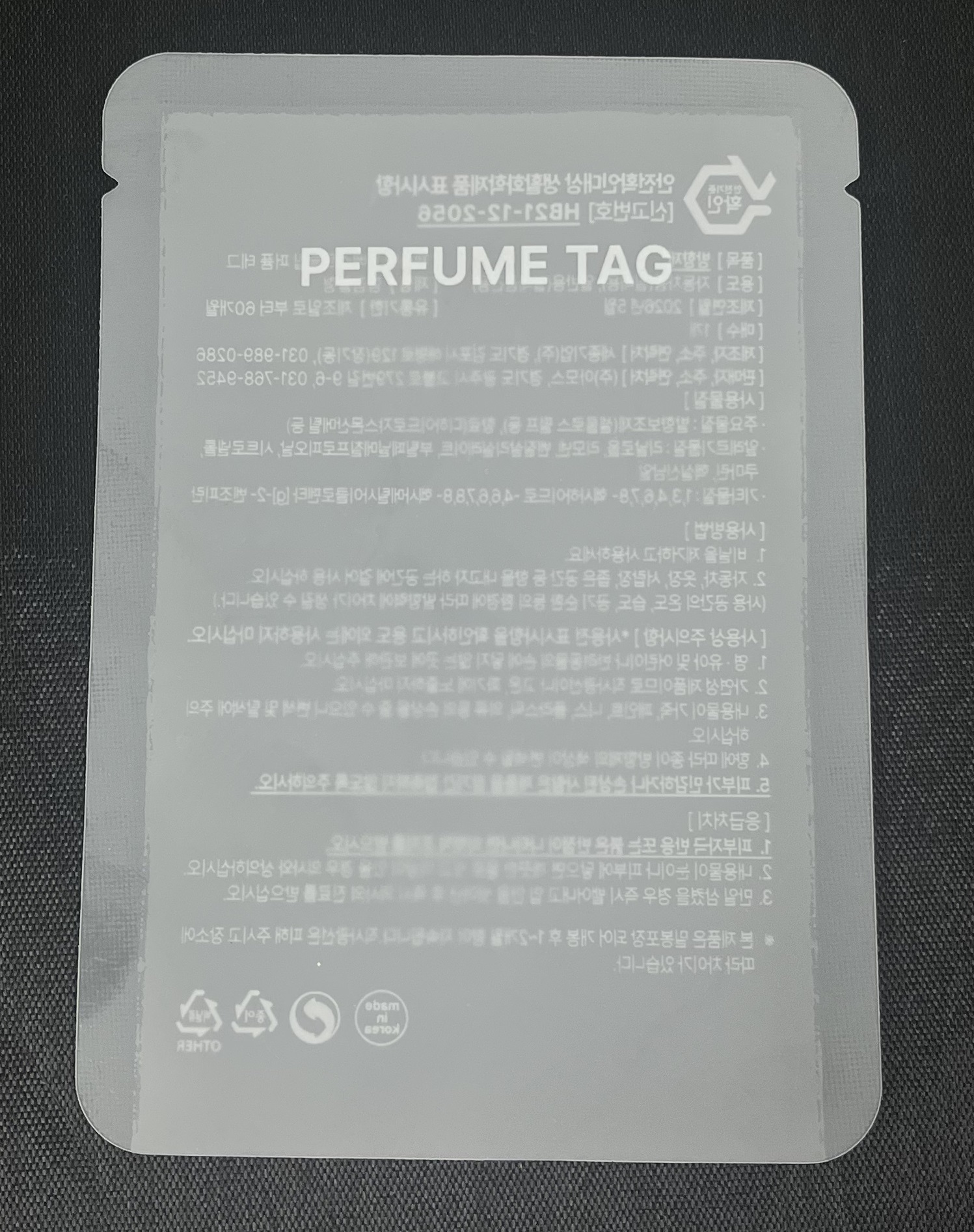
The base polymer in a film sets the stage for how long it will last, but it’s rarely the whole story. Plain PET, for instance, handles sunlight reasonably well, while standard polyethylene turns brittle fast unless it’s been fortified. The real longevity comes down to the additives—UV inhibitors, heat stabilizers, and antioxidants—that are blended in during manufacturing. Skipping these might save a few dollars upfront, but the film will betray you with cracks and cloudiness far sooner than expected.
Thickness often gets mistaken for toughness, yet a thick film with poor material chemistry will fail just as quickly as a thin one under harsh conditions. Polyvinyl chloride might seem durable at first, but its plasticizers migrate out over time, leaving behind a shrunken, yellowed remnant. A cast polypropylene, on the other hand, holds its dimensions and clarity thanks to a more stable molecular structure. Matching the film’s compatibility with adhesives and printing processes also prevents delamination, which is a silent killer of long-term performance.
Real-world testing trumps datasheet promises every time. A film that thrives in a temperate warehouse might warp within weeks on a sun-blasted job site. Humidity, temperature swings, and even airborne pollutants can accelerate aging in ways lab simulations miss. Asking for samples and exposing them to your specific environment—maybe taping a strip to a south-facing window for a month—reveals more about true longevity than any glossy brochure ever will.
Customizing Your Pouch: Beyond Basic Printing
When it comes to personalizing your pouch, stepping beyond basic printing opens up a world of creative possibilities that standard methods simply can't match. Instead of settling for a single-color logo slapped on the front, think about integrating texture, layering, or even mixed materials that give your pouch a distinct, tactile feel. You might play with embossed details that catch the light just so, or use a combination of matte and gloss finishes to create a subtle but striking contrast. These choices turn a simple printed pouch into an accessory that feels intentional, something people will want to touch and show off.
Another way to deviate from the ordinary is by playing with unexpected placements and proportions. Rather than centering all the print work, consider designs that wrap around the edges, peek out from seams, or cascade across the pouch in an asymmetrical flow. Small details like a patterned interior lining that reveals itself when the pouch is opened, or a hidden message printed on the zipper pull, add layers of surprise that mass-produced items lack. It's these thoughtful touches that tell a story and make the item feel truly yours, not just another piece of promotional merchandise.
Don’t underestimate the impact of tactile elements either. Adding patches, embroidered accents, or even laser-cut patterns can transform a flat surface into something multidimensional. You could incorporate a section that’s soft to the touch, like a suede panel with a delicate foil stamp, or use perforations that hint at what’s inside. The key is to think of the pouch not just as a blank canvas for ink, but as a collection of surfaces and materials that can be combined in unexpected ways. This approach ensures your custom pouch stands out, catching the eye and inviting curiosity long before anyone reads a single word printed on it.
Real-World Testing: How These Pouches Withstand Pressure
We put these pouches through a series of hands-on tests that mimic the bumps, drops, and squishes of everyday life. From overstuffed backpacks to accidental spills, the real question was whether they'd hold up when it mattered most. Our team filled them with everything from sharp-edged tech accessories to leak-prone toiletries, then subjected them to repeated compression, torsion, and even a few unplanned tumbles off a desk. The seams stayed tight, the zippers didn't budge, and the material shrugged off scuffs that would leave lesser cases looking worn.
One test involved packing a pouch with bulky items until it bulged at the seams, then applying steady downward force using a weight plate. Instead of splitting or deforming, the pouch distributed the stress evenly across its reinforced stitching. Edge-to-edge, the tension was managed so well that even when we intentionally overstuffed it with irregular objects, the closure held firm without any sign of strain on the zip track. It was the kind of quiet resilience you don't notice until you look back and realize nothing leaked, tore, or shifted outside the protective shell.
Perhaps most telling was the wet-pressure trial, where a sealed pouch filled with damp fabric sat under a stack of books overnight. The exterior remained bone-dry, with no wicking at the seams or moisture creeping through the water-resistant layer. When we reversed the scenario—submerging the pouch briefly with dry contents inside—it shed water instantly and kept everything protected. These outcomes didn't just confirm lab specs; they demonstrated that in chaotic real-world conditions, the design actually behaves as promised, giving you one less thing to worry about when you're on the move.
From Food to Pharmaceuticals: Versatile Applications
The journey of certain natural compounds from the kitchen pantry to the medicine cabinet highlights an intriguing convergence. Polyphenols, once merely appreciated for their antioxidant punch in foods like berries and dark chocolate, are now being scrutinized in clinical trials for their role in reducing chronic inflammation. This shift isn’t just about repurposing ingredients; it reflects a deeper understanding of how dietary components can modulate biological pathways in ways once thought exclusive to synthetic drugs.
Driving this crossover is the growing demand for clean-label products and nature-derived therapies. Food technologists and pharmaceutical formulators alike are harnessing advanced extraction and encapsulation methods to preserve bioactivity and improve bioavailability. Whether it’s curcumin in a latte or a standardized capsule for metabolic health, the line between nourishment and medication continues to blur, pushing regulatory frameworks to adapt.
Looking ahead, the trend promises more personalized solutions. Imagine a world where the same adaptogenic mushroom used in a morning smoothie also supports cancer care protocols—backed by robust data rather than folklore. The versatility of these bioactives underscores a broader paradigm: health management no longer separates what we eat from how we heal.
Top Picks Unveiled: Which Pouch Fits Your Needs?
We’ve sifted through dozens of styles to spotlight the ones that truly stand out—not just on a shelf, but in the chaos of everyday life. Maybe you’re after something that disappears into a tote but holds all your secret weapons. Or perhaps you need a rugged companion that can take a splash without sacrificing style. Each pick here earned its place by solving a real problem, not just looking pretty.
Think about how you move through your day. Are you constantly digging for keys or a runaway lip balm? A slim, grab-and-go layout with smart internal pockets can change the whole rhythm of your routine. If you’re the type who carries a small world—snacks, wipes, emergency charger—then a structured, stand-up design might be your unsung hero. We’ve prioritized details you’ll actually feel: whisper-quiet zippers, straps that don’t twist, fabrics that age gracefully instead of just wearing out.
No one pouch rules them all, and that’s the whole point. The minimalists among us will lean toward a sleek, streamlined option that hugs the essentials without bulk. For the adventurers, a splash-proof pouch with a carabiner clip can swing from a backpack or belt loop without a second thought. And if you’re somewhere in between, a versatile convertible style bridges the gap—tucking neatly into a laptop bag on weekdays and riding shotgun in a stroller caddy on weekends. The right pouch won’t just hold your stuff; it’ll quietly shrink the friction between you and your day.
FAQ
They’re built with reinforced seals on three edges, which means less chance of splitting under weight. The single open side also makes filling a breeze, and you can choose from materials like laminated foil or thick polyethylene that resist punctures and moisture.
Food manufacturers love them for snacks and frozen goods, but they’re also widely used for hardware parts, pet treats, and even medical supplies. Basically, any business that needs a tough, airtight barrier can put them to work.
Look for options with high-barrier films like aluminum foil or metalized layers. These lock out oxygen and moisture far better than standard plastic. Many brands also include resealable zippers or tear notches without compromising the seal integrity.
Absolutely. You can find pouches made from recyclable mono-materials or compostable plant-based films. They still offer strong seals, but you’ll want to check the specs because some biodegradable materials have a lower heat tolerance during sealing.
Think about your product’s weight and shape first. A pouch for heavy screws needs thicker gauge material—probably 5 mil or more—while lightweight powders work fine with 3 mil. Also allow extra headspace if you’re using a heat sealer to close the final side.
It depends on the material. Polyethylene and polypropylene hybrids can usually go from deep freeze right into simmering water. But always check the manufacturer’s temperature range—some laminates delaminate when boiled, while others are rated for retort processing.
Clear pouches let customers see exactly what they’re buying, which builds trust. They’re cheaper upfront too. But if you’re selling in a crowded retail space, custom printing with vibrant graphics can make your product jump off the shelf—it’s a trade-off between cost and marketing impact.
Stand-up pouches often have a bottom gusset that creates extra seam stress, so 3-side seal pouches are inherently more rugged when lying flat. They’re less likely to develop micro-tears during shipping if you’re packing abrasive or angular items.
Conclusion
When it comes to securing products against moisture, punctures, and long-term wear, 3-side seal pouches have become the go-to choice across industries. Their knack for combining a clean, professional look with exceptional barrier properties stems from thoughtful material selection—whether it's multi-layer laminates that lock out oxygen or films engineered to withstand rough handling during transit. Beyond the basics, brands are pushing these pouches further with custom finishes, high-definition printing, and specialty features like tear notches and resealable zippers, turning a simple package into a branding asset that actually works on the shelf. Rigorous testing backs all this up: from drop tests that simulate courier abuse to burst-strength checks that verify seal integrity, these pouches have proven they can keep contents safe far better than many rigid alternatives.
Versatility is where they really shine. Whether it's keeping coffee beans fresh, holding freeze-dried camping meals, or protecting pharmaceuticals from contamination, the same core design adapts effortlessly. Our deep dive into the current market uncovered ten standout options that cater to different durability needs—some are thicker for rugged shipping, others prioritize clarity to showcase the product inside, and a few strike the perfect balance for everyday retail. Instead of getting lost in generic specs, we focused on real-world feedback and measurable performance, so you can quickly spot the pouch that matches how you pack, ship, and sell. No matter your industry, investing in a well-made 3-side seal pouch means fewer returns, longer shelf life, and a package that reflects the quality you put into the product itself.
Contact Us
Contact Person: Cindy Lee
Email: [email protected]
Tel/WhatsApp: 8613622669331
Website: https://www.dgkody.com