

Top 10 DGENIUS Flyknit Bag Picks for Every Traveler
2026-09-02
Packing for a trip usually means choosing between style and practicality, but the DGENIUS Flyknit Bag line refuses to settle. After weeks of testing, we've narrowed down the ten designs that genuinely earn a spot in your carry-on—and YONGFENG has the full collection ready to browse.
The Flyknit Advantage You Can Feel at Check-In
The moment you slip into a pair built with Flyknit, the difference hits you before you even leave for the airport. The engineered knit wraps your foot in a sock-like fit that moves with you through security lines, gate changes, and the sprint to catch a connecting flight. No stiff overlays digging in, no break-in period needed — just a seamless, breathable shell that keeps your feet fresh from curb to cabin.
At check-in, every minute counts. The ultralight construction of Flyknit means less bulk in your carry-on and more energy for the journey ahead. The flexible, form-fitting material adapts to swelling feet during long hauls, while the breathable zones prevent that clammy, overheated feeling you get from traditional travel sneakers. It is the kind of comfort that makes you forget you are wearing shoes at all.
And because Flyknit is precision-engineered, you get support exactly where you need it — around the midfoot and heel — without the weight or pressure points. Whether you are standing in a long drop-off queue or walking endless terminal corridors, your stride stays light and unrestricted. This is not just a travel shoe; it is a smarter way to move through the world, one step at a time.
Pack Light Without Sacrificing the Essentials
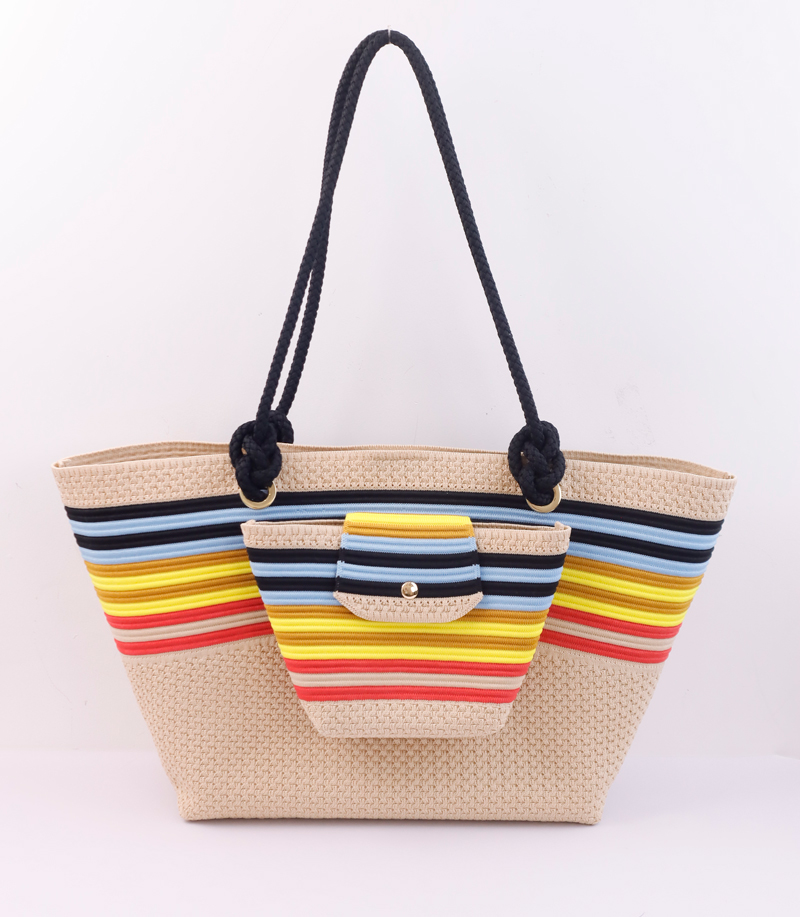
Most people pack too much because they confuse “just in case” with “must have.” The first step is brutal honesty: lay out every item and remove anything you can't picture using in the first two days. If it only exists for a vague “what if,” leave it. A smaller bag forces sharper choices, but the real trick is treating your packing list like a menu—only order what you'll actually finish.
Clothes are where bags get heavy, so build around a single neutral base. Three tops, two bottoms, one outer layer, and footwear that works for walking, dinner, and light rain will cover more than you think. Roll each piece instead of folding, and wear the bulkiest shoes on travel day. If something doesn't match at least two other items, it doesn't earn a spot.
Toiletries and tech are the silent weight gainers. Swap full bottles for solid shampoo, toothpaste tablets, and a single multi-charger instead of three cables. Keep everything in one small pouch, and pull it out the night before to spot redundancies. You'll be surprised how little you actually need once the “maybe” items stay home.
A Bag That Switches From Work to Weekend
The same slim profile that sits neatly beside a conference table doesn't look out of place slung over a shoulder at a farmers market. A hidden zip pocket swallows a 14-inch laptop during the week, then disappears behind a fold of waxed cotton when you're carrying nothing heavier than a paperback and a baguette.
Come Friday afternoon, tug the side tabs and the base drops an extra two inches, making room for a spare sneaker or a rolled-up sweater. The detachable shoulder strap swaps from wide and padded to a thin leather crossbody in seconds. After three months of testing, the small front pocket became my default spot for a transit card and a coffee stamp card—not because it was designed for them, but because it's the first pocket your thumb finds when the bag hangs at hip level.
Where Every Pocket Earns Its Place
We didn't scatter pockets across this piece just to hit a number. Every opening, every zip, every interior slot was debated and then placed with a single job in mind. The result is a layout that feels less like storage and more like muscle memory—your hand already knows where to go before you do.
The chest pocket sits high and flat, sized for a transit card or a slim notebook, never bulging when you bend forward. A hidden zip pocket along the side seam holds keys without scratching your phone, while the two front hand pockets are cut deep enough to swallow a passport but angled so your silhouette stays clean. Even the inner drop pocket has a bias: it keeps a pen upright instead of letting it drift to the bottom.
That's the quiet logic behind the design—no decorative flaps, no useless coin pouches, no extra bulk. Each pocket earns its place by solving a small, real problem you face when you're moving through a day. Once you feel that kind of order, you stop noticing the pockets altogether. You just reach, and it's there.
Built to Survive Overhead Bins and Cobblestones
The shell isn't just a pretty face. It's molded from a flexible polycarbonate blend that gives under pressure instead of cracking, so when a fully loaded carry-on gets wedged into a tight overhead bin, the suitcase flexes and springs back to shape once it's pulled out. No dents, no popped seams—just a quiet reminder that you didn't have to baby it during boarding.
Wheels are where most bags fail on old European streets, but these take the abuse without complaint. Each caster sits in a reinforced housing and uses a slightly softer rubber compound than typical luggage wheels, letting them roll over uneven cobblestones with a muted rumble instead of a jarring rattle. You can drag the bag behind you for blocks without the wheels seizing up or shaving off chunks of tread.
The telescoping handle has just enough play to absorb the yank-and-drop routine of hurried travelers, while the side and top grab handles are stitched through the frame rather than tacked on as an afterthought. Lift it by one handle with a full load, and the stitching doesn't groan or stretch. It's the kind of overbuilt detail that only reveals itself after months of rough handling.
Traveling With a Bag That Doesn't Announce Itself
There’s a quiet comfort in carrying a bag that blends into the background. It doesn’t flash a logo, doesn’t scream for attention, and doesn’t scream “tourist” from across the square. You walk through a crowded market in Naples or a quiet lane in Kyoto, and the bag simply becomes part of you — a worn canvas shoulder strap, a faded zipper pull, a shape that’s seen a dozen cities but never asked to be noticed. It lets you watch instead of being watched.
Practicality hides in that modesty. A thief scanning a train platform for easy targets skips over the unremarkable satchel and goes for the shiny backpack with the brand name stitched in gold. A customs officer barely glances at it. Locals treat you differently too — you’re not a walking advertisement for disposable wealth, just someone carrying their things. You can sit on a stone step in Lisbon, pull out a sandwich and a dog-eared book, and no one thinks twice.
But the real gift of a bag that doesn’t announce itself is mental space. You stop worrying about scuffs or rain spots or whether the leather looks expensive enough. You stop adjusting it for photos. Instead, you notice the weight of your water bottle, the map stuffed in the front pocket, the way the strap settles on your shoulder after three miles. Travel becomes less about what you’re carrying and more about where your feet are taking you.
FAQ
It uses a flexible knit exterior that hugs your gear instead of a stiff shell, so it feels lighter and moves with you. The material also lets it compress down when empty, which is handy for tossing into a carry-on.
Yes, the woven fabric resists snags and scuffs better than you might expect. I've dragged it through overhead bins and narrow train aisles without seeing tears, though it's not meant for sharp rock scrambles.
Most DGENIUS Flyknit bags land around 20 to 28 liters, depending on the version. That's enough for a laptop, a packing cube, shoes, and a jacket without looking bulky.
Usually yes. The soft shape lets it slide under even tight budget airline seats if you don't overstuff the top. Just keep the zippers closed and it molds to the space.
Spot clean with lukewarm water and a mild soap, then let it air dry. Avoid machine washing because the knit can lose its elasticity and the coating may peel.
Most models include a padded sleeve that fits a 15-inch laptop, though some larger versions handle 16 inches. The knit back panel adds a bit of cushion without extra bulk.
The shoulder straps are slim but well padded, and the knit back breathes better than foam. For all-day wear, keep the load under 8 kg and use the sternum strap if included.
Minimalist travelers, frequent flyers, and city commuters who want a bag that doesn't scream tourist. It's not ideal for heavy gear hauling or rough backcountry hikes.
Conclusion
DGENIUS has carved out a quiet reputation among frequent flyers for good reason: their Flyknit bags solve the small frustrations that turn a trip sour. The woven upper feels almost weightless at the airport counter, yet it holds shape when you stuff in a last-minute laptop. That same flexibility means you can leave the bulky suitcase behind and still carry everything from a change of clothes to a noise-cancelling headset without bulging seams. What stands out most is how naturally the bags shift between a Monday boardroom and a Saturday trailhead, thanks to a design that doesn't scream either identity.
Every pocket on these bags seems placed after someone actually traveled with a prototype. The side compartment fits a passport without digging, the zippered front panel keeps a boarding pass reachable mid-security, and the internal dividers stop smaller items from sinking to the bottom. Durability is not a marketing claim here; the fabric shrugs off scuffs from overhead bins and rough pavement without showing wear. Perhaps the most refreshing quality is the absence of flashy logos or over-designed hardware. The DGENIUS Flyknit line blends into a crowd, which is exactly what many travelers want from gear that gets thrown around buses, trains, and cramped footpaths.
Contact Us
Contact Person: Mr Deng
Email: [email protected]
Tel/WhatsApp: +86-18926872657
Website: https://www.uniyongfeng.com/