

How Are Woven Bags Transforming Modern Packaging Solutions?
2026-06-02
Article Summary:
Woven bags have become one of the most reliable, cost-effective, and durable packaging solutions across industries such as agriculture, construction, chemicals, food processing, and logistics. Their strength, flexibility, moisture resistance, and customization capabilities make them a preferred choice for businesses seeking efficient packaging while maintaining product protection during storage and transportation.
This comprehensive guide explains how woven bags work, their advantages, applications, material selection criteria, and how businesses can choose the right woven bag supplier for long-term packaging success.
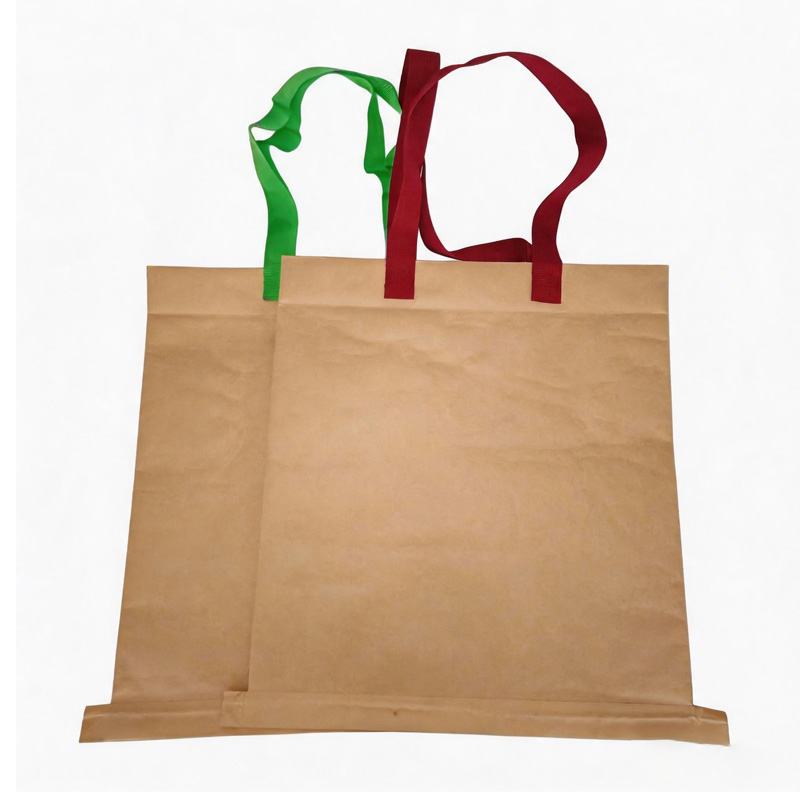
Table of Contents
- What Are Woven Bags?
- How Are Woven Bags Manufactured?
- Key Benefits of Woven Bags
- Common Applications of Woven Bags
- Woven Bags vs Other Packaging Materials
- How to Choose the Right Woven Bags
- Customization Options Available
- What Determines Woven Bag Quality?
- Future Trends in Woven Bag Manufacturing
- Frequently Asked Questions
- Conclusion
What Are Woven Bags?
Woven bags are industrial packaging containers manufactured by weaving polypropylene (PP) or polyethylene (PE) tapes into a strong fabric structure. The weaving process creates a highly durable material capable of carrying significant loads while maintaining flexibility and resistance to tearing.
Unlike traditional paper sacks or standard plastic bags, woven bags provide superior mechanical strength and longer service life. They are commonly used for packing:
- Rice and grain
- Animal feed
- Fertilizers
- Cement
- Chemical powders
- Sugar and flour
- Seeds and agricultural products
- Construction materials
- Minerals and industrial products
Their lightweight design combined with high load-bearing capacity makes them a practical packaging solution for businesses worldwide.
How Are Woven Bags Manufactured?
Understanding the production process helps buyers evaluate product quality and supplier capabilities.
-
Raw Material Preparation
Polypropylene resin is melted and converted into flat tapes. -
Tape Stretching
The tapes are stretched to improve tensile strength and durability. -
Weaving Process
Circular looms interlace the tapes into woven tubular fabric. -
Lamination (Optional)
A protective coating may be added to improve moisture resistance. -
Cutting and Printing
The woven fabric is cut into specified sizes and customized with branding. -
Sewing and Finishing
The bags are stitched, inspected, packed, and prepared for shipment.
Each manufacturing stage directly affects the final bag's strength, appearance, and performance.
Key Benefits of Woven Bags
Businesses continue to choose woven bags because they solve many common packaging challenges.
| Benefit | Customer Advantage |
|---|---|
| High Strength | Supports heavy loads without tearing |
| Lightweight | Reduces transportation costs |
| Reusable | Provides longer service life |
| Moisture Resistance | Protects products from humidity |
| Custom Printing | Enhances brand visibility |
| Cost Efficiency | Lowers overall packaging expenses |
| Flexible Design | Suitable for multiple industries |
For manufacturers and distributors handling bulk products, these advantages often result in improved operational efficiency and reduced product loss.
Common Applications of Woven Bags
The versatility of woven bags allows them to be used across numerous industries.
| Industry | Typical Products Packaged |
|---|---|
| Agriculture | Rice, corn, wheat, seeds, feed |
| Construction | Cement, sand, mortar, aggregates |
| Chemicals | Powders, resins, fertilizers |
| Food Processing | Sugar, flour, grains, starch |
| Mining | Minerals and industrial materials |
| Logistics | Bulk transportation and storage |
Because woven bags can be manufactured in various sizes and specifications, they are adaptable to both small-scale and large-scale operations.
Woven Bags vs Other Packaging Materials
Many buyers struggle to determine whether woven bags are the best option compared with alternative packaging materials.
| Feature | Woven Bags | Paper Bags | Standard Plastic Bags |
|---|---|---|---|
| Load Capacity | Excellent | Moderate | Low |
| Tear Resistance | Excellent | Low | Moderate |
| Moisture Protection | High | Poor | Moderate |
| Reusability | High | Low | Low |
| Customization | Excellent | Good | Good |
| Cost Performance | Excellent | Moderate | Moderate |
For bulk packaging applications, woven bags consistently outperform many traditional alternatives in durability and cost efficiency.
How to Choose the Right Woven Bags
Selecting the correct woven bag involves more than choosing dimensions. Buyers should evaluate several factors:
- Product Weight: Determine required load capacity.
- Storage Conditions: Consider humidity, sunlight exposure, and temperature.
- Transportation Requirements: Assess handling and stacking conditions.
- Printing Needs: Identify branding and labeling requirements.
- Food Safety Standards: Ensure compliance where applicable.
- Lamination Requirements: Decide whether additional moisture barriers are necessary.
- Bag Dimensions: Match size to product volume and filling equipment.
A well-selected woven bag improves operational efficiency while minimizing packaging failures.
Customization Options Available
Modern woven bag manufacturing offers extensive customization possibilities to support branding and product protection.
- Custom dimensions
- Multi-color printing
- Laminated or unlaminated surfaces
- UV-resistant treatments
- Various top and bottom closures
- Transparent windows
- Handle designs
- Food-grade materials
- Anti-slip coatings
- BOPP laminated finishes
Customized packaging helps businesses improve product presentation while maintaining functional performance.
What Determines Woven Bag Quality?
Not all woven bags are manufactured to the same standard. Quality depends on several critical factors:
| Quality Factor | Impact |
|---|---|
| Raw Material Purity | Affects strength and longevity |
| Weaving Density | Determines structural integrity |
| Fabric Weight | Influences load-bearing capability |
| Printing Quality | Improves brand appearance |
| UV Protection | Enhances outdoor durability |
| Quality Inspection | Reduces defect rates |
Working with experienced manufacturers helps ensure consistent product performance and reliable supply.
Future Trends in Woven Bag Manufacturing
As packaging requirements continue to evolve, woven bag technology is advancing rapidly.
- Higher-strength materials with reduced weight
- Enhanced printing technologies
- Improved recycling compatibility
- Smart packaging integration
- Advanced moisture-barrier solutions
- More sustainable production processes
- Automation-driven quality control systems
These innovations are helping businesses achieve better packaging performance while adapting to changing market demands.
Frequently Asked Questions
Q1: What material is commonly used for woven bags?
Most woven bags are manufactured using polypropylene (PP), which offers excellent strength, durability, and resistance to moisture.
Q2: Are woven bags suitable for food packaging?
Yes. Food-grade woven bags can be produced for packaging rice, flour, sugar, grains, and other food products.
Q3: Can woven bags be customized with company logos?
Absolutely. Manufacturers can provide customized printing, colors, dimensions, and branding elements.
Q4: Are laminated woven bags better than unlaminated bags?
Laminated woven bags offer additional moisture resistance and are often preferred for products sensitive to humidity.
Q5: How much weight can a woven bag carry?
Depending on design specifications, woven bags can safely carry loads ranging from a few kilograms to over 50 kilograms or more.
Q6: Can woven bags be reused?
Yes. Their durable structure allows multiple uses when handled and stored properly.
Conclusion
Woven bags have become an essential packaging solution for businesses seeking durability, efficiency, and versatility. Their ability to protect products, reduce transportation costs, support customization, and withstand demanding environments makes them a valuable investment across numerous industries.
Whether you are packaging agricultural products, construction materials, food ingredients, chemicals, or industrial goods, selecting the right woven bag can significantly improve supply chain performance and product protection.
As a professional woven bag manufacturer, Chenxing is committed to delivering reliable, high-quality packaging solutions tailored to your specific business requirements. From custom printing and specialized bag structures to large-scale production capabilities, Chenxing can help you find the ideal packaging solution for your products. Contact us today to discuss your project, request a quotation, and discover how Chenxing can support your packaging success.