

How Bakery Paper Bags Improve Food Packaging and Customer Experience
2026-03-13
Article Summary
Packaging plays a critical role in the bakery industry. Fresh bread, pastries, cookies, and cakes require packaging that protects product quality while presenting the items attractively to customers. Bakery paper bags have become one of the most practical and reliable solutions for bakeries, cafés, supermarkets, and food retailers.
This article explains how bakery paper bags work, why they are essential for food packaging, and how businesses can choose the right type of bag for their products. It also explores key features, material options, environmental advantages, and customization opportunities that help bakeries improve both operational efficiency and customer satisfaction.
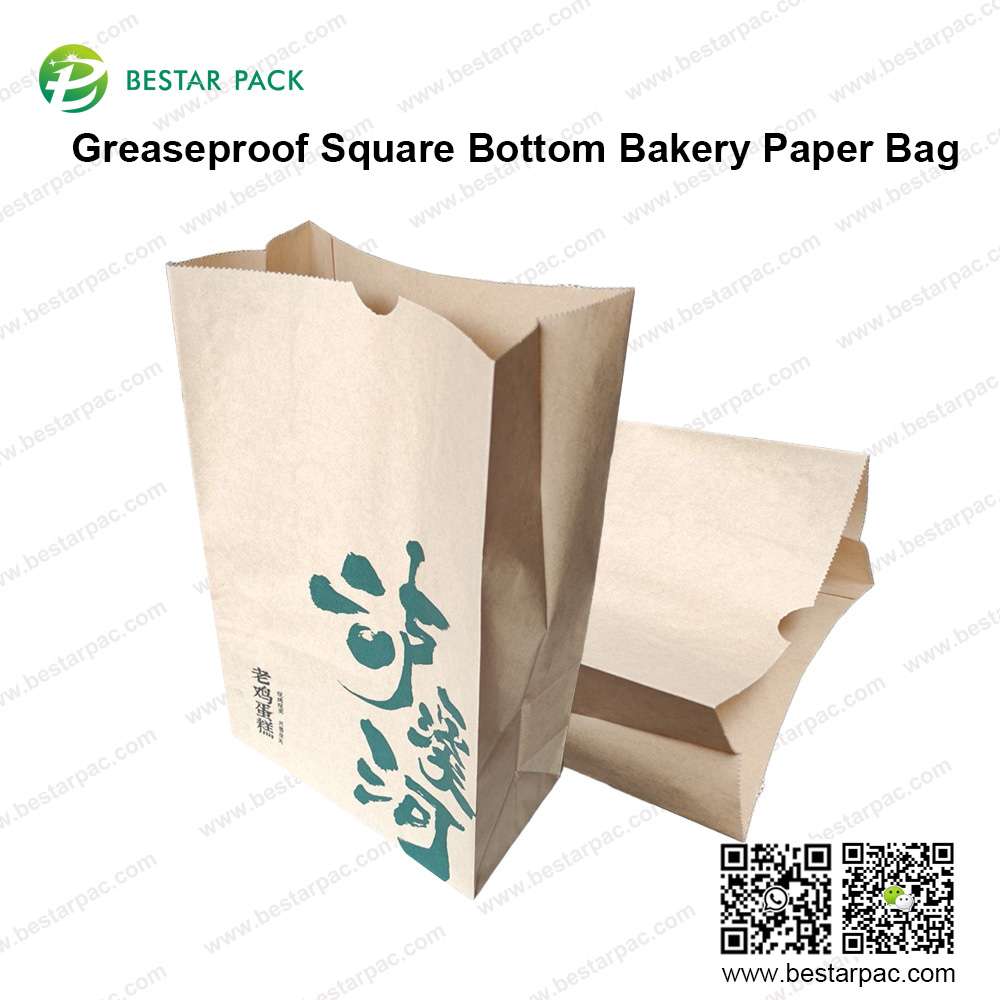
Table of Contents
- Introduction to Bakery Packaging Needs
- How Bakery Paper Bags Work
- Main Types of Bakery Paper Bags
- Key Features and Functional Advantages
- Product Specifications and Material Options
- Benefits for Bakeries and Food Retailers
- How to Choose the Right Bakery Paper Bags
- Frequently Asked Questions
- Conclusion
Introduction to Bakery Packaging Needs
Fresh baked products are delicate and highly sensitive to environmental conditions. Bread crusts must remain crisp, pastries should avoid excess moisture, and cookies need protection from contamination during transport. Traditional plastic packaging may trap moisture and negatively affect product texture.
Bakery paper bags provide a practical alternative that balances protection, breathability, and presentation. Designed specifically for baked goods, these bags help maintain freshness while offering convenient handling for both staff and customers.
Modern bakeries increasingly rely on specialized packaging suppliers such as BESTAR PACK GROUP LIMITED, which provide a wide range of bakery paper bag solutions suitable for retail environments, takeaway services, and wholesale distribution.
How Bakery Paper Bags Work
Bakery paper bags are engineered to meet several key packaging requirements simultaneously. Their effectiveness comes from the materials used, the bag structure, and the functional coatings applied during production.
The working principle of bakery paper bags involves the following processes:
- Allowing controlled airflow to prevent condensation buildup
- Providing grease resistance to prevent oil leakage
- Maintaining structural strength for carrying baked goods
- Protecting products from dust and external contamination
- Offering convenient handling for takeaway packaging
The porous structure of paper allows baked goods to release steam naturally after baking. This prevents moisture accumulation inside the bag, which helps preserve product texture and flavor.
Main Types of Bakery Paper Bags
Different bakery products require different packaging solutions. Several types of bakery paper bags are commonly used in the food industry.
| Type | Description | Common Applications |
| Flat Paper Bags | Lightweight bags designed for small baked items | Cookies, biscuits, small pastries |
| Side Gusset Paper Bags | Bags with expandable sides for larger capacity | Bread loaves, baguettes |
| Window Bakery Bags | Paper bags with transparent display windows | Retail display packaging |
| Greaseproof Bakery Bags | Special coated paper that resists oil penetration | Donuts, croissants, fried pastries |
| Custom Printed Bakery Bags | Branded packaging with logos and graphics | Brand promotion and retail packaging |
Each type is designed to address specific packaging requirements while maintaining product quality during storage and transport.
Key Features and Functional Advantages
High-quality bakery paper bags incorporate several features that improve both usability and product protection.
- Breathable Structure – Allows heat and moisture to escape from fresh baked goods.
- Grease Resistance – Prevents oils from penetrating the bag surface.
- Food-Grade Materials – Safe for direct contact with bakery products.
- Durable Paper Strength – Ensures reliable performance during transportation.
- Eco-Friendly Composition – Paper materials are recyclable and biodegradable.
These features make bakery paper bags suitable for high-volume bakery operations and daily retail use.
Product Specifications and Material Options
Bakery paper bags can be manufactured using different paper grades and structural configurations depending on the application.
| Specification | Description |
| Material | Kraft paper, white paper, greaseproof paper |
| Paper Weight | 30 gsm – 80 gsm depending on product weight |
| Printing Options | Flexographic printing, custom logo printing |
| Surface Treatment | Oil-resistant coating, moisture-resistant layer |
| Bag Structure | Flat, gusseted, or window-style bags |
| Size Options | Custom sizes available for various baked products |
Packaging manufacturers such as BESTAR PACK GROUP LIMITED provide customizable solutions to match the operational needs of bakeries, supermarkets, and food distribution companies.
Benefits for Bakeries and Food Retailers
Using bakery paper bags offers several operational and marketing advantages for businesses in the food industry.
- Improved product freshness and presentation
- Convenient takeaway packaging for customers
- Professional brand appearance through printed packaging
- Reduced environmental impact compared with plastic packaging
- Cost-effective packaging for large-scale bakery operations
Well-designed bakery packaging can also improve brand recognition. Printed bags allow bakeries to display logos, brand colors, and promotional messages directly on the packaging surface.
How to Choose the Right Bakery Paper Bags
Selecting the appropriate bakery paper bag depends on several practical considerations.
Important factors include:
- Type and weight of baked goods
- Grease content of the product
- Required bag capacity and dimensions
- Branding and printing requirements
- Environmental sustainability goals
Businesses should also evaluate supplier manufacturing capabilities, product consistency, and customization options before making bulk purchasing decisions.
Frequently Asked Questions
Q1: Are bakery paper bags safe for direct food contact?
Yes. Most bakery paper bags are produced using food-grade paper materials that comply with food safety standards. They are specifically designed for direct contact with baked goods.
Q2: Can bakery paper bags handle greasy pastries?
Yes. Greaseproof bakery paper bags include oil-resistant coatings that prevent oil from leaking through the paper surface, making them suitable for donuts, croissants, and similar products.
Q3: Can bakery paper bags be customized with logos?
Yes. Many packaging manufacturers offer custom printing services that allow bakeries to print logos, brand colors, promotional designs, and product information directly on the bags.
Q4: Are bakery paper bags environmentally friendly?
Most bakery paper bags are recyclable and biodegradable, making them a more sustainable packaging option compared with plastic alternatives.
Conclusion
Bakery paper bags provide an effective packaging solution for protecting fresh baked goods while improving presentation and convenience for customers. Their breathable structure, grease resistance, and customizable design make them an essential component of modern bakery packaging systems.
By choosing reliable suppliers such as BESTAR PACK GROUP LIMITED, bakeries and food retailers can access high-quality packaging solutions tailored to their specific operational needs.
If you are looking for durable, food-safe, and customizable bakery packaging solutions, our professional team is ready to assist. Contact us today to explore premium bakery paper bag options and discover how the right packaging can elevate your bakery brand and improve customer satisfaction.