

How Can a Soap Bag Transform Your Daily Bath Routine?
2026-01-14
Summary: Discover how soap bags made from natural fibers can enhance cleanliness, prolong soap life, and provide an eco-friendly bathing solution. This article explores practical uses, benefits, and maintenance tips for soap bags, helping consumers make informed choices for daily hygiene.
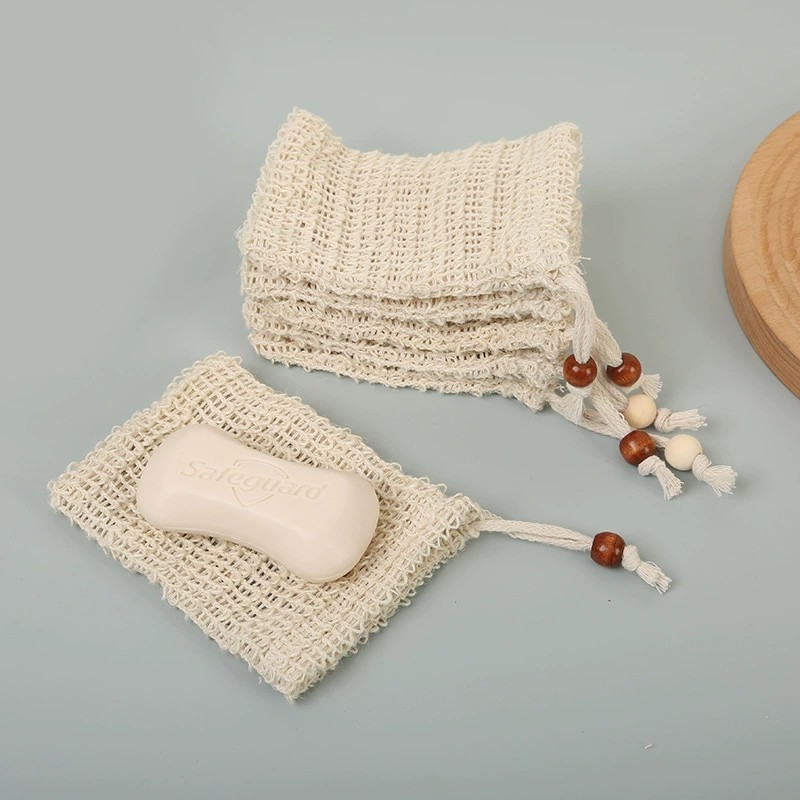
Table of Contents
- Introduction to Soap Bags
- Key Benefits of Using Soap Bags
- How to Use a Soap Bag Effectively
- Tips for Choosing the Right Soap Bag
- Maintenance and Cleaning Guide
- Frequently Asked Questions
- Contact Us
Introduction to Soap Bags
Soap bags are small pouches designed to hold bar soaps, typically crafted from natural fibers such as sisal, cotton, or bamboo. They offer an efficient way to cleanse while preventing soap wastage and promoting hygiene. These eco-friendly alternatives not only enhance your daily bathing experience but also contribute to sustainable living.
NINGBO TINGSHENG BAMBOO & WOOD CO., LTD produces premium soap bags made from 100% natural sisal fibers, ensuring durability, rapid drying, and a rich lather that improves skin cleansing. Unlike traditional soap storage methods, soap bags keep bars dry and minimize bacterial growth, extending the life of the soap.
Key Benefits of Using Soap Bags
Soap bags provide multiple advantages that appeal to modern consumers:
- Eco-Friendly: Made from natural and biodegradable materials.
- Enhanced Hygiene: Keeps soap dry, reducing bacterial growth.
- Extended Soap Life: Prevents softening and wastage of soap bars.
- Convenient Handling: Drawstring design allows hanging and easy use.
- Exfoliation: Textured fibers gently remove dead skin cells.
Table of Benefits:
| Feature | Benefit |
|---|---|
| Material | 100% natural sisal – biodegradable and sustainable |
| Design | Drawstring closure – easy to hang and use |
| Functionality | Enhances soap lather and exfoliates skin |
| Hygiene | Dries quickly, preventing bacterial growth |
How to Use a Soap Bag Effectively
Using a soap bag properly ensures maximum benefits. Follow these steps:
- Insert a bar of soap into the bag.
- Pull the drawstring to close the bag securely.
- Use the bag directly on the skin, allowing it to create a rich lather.
- After use, rinse the bag and hang it to dry using the drawstring loop.
Tips for optimal results:
- Rotate soaps to maintain dryness and reduce residue build-up.
- Use the textured side of the bag for gentle exfoliation.
- Keep multiple soap bags for travel or different soap types.
Tips for Choosing the Right Soap Bag
Selecting the right soap bag depends on material, size, and personal preference:
- Material: Natural fibers like sisal or cotton are durable and eco-friendly.
- Size: Ensure the bag fits your soap bar comfortably without tearing.
- Texture: Choose finer fibers for sensitive skin and coarse fibers for exfoliation.
- Durability: Check stitching and drawstring quality for long-term use.
Comparison of Popular Soap Bag Materials:
| Material | Best Use | Durability |
|---|---|---|
| Sisal | Exfoliation, rapid drying | High |
| Cotton | Gentle skin cleansing | Medium |
| Bamboo Fiber | Soft and eco-friendly | Medium-High |
Maintenance and Cleaning Guide
Proper care ensures your soap bag lasts longer and maintains hygiene:
- Rinse thoroughly after each use to remove soap residues.
- Hang to dry in a ventilated area.
- Occasionally soak in warm water with mild detergent for deep cleaning.
- Replace when fibers fray or the bag becomes ineffective at lathering.
Regular care prevents bacterial growth and prolongs both the soap and the bag’s usability.
Frequently Asked Questions
Q1: Can soap bags be used with all types of soap?
A1: Yes, soap bags are compatible with bar soaps, including natural, glycerin, or medicated soaps. Ensure the bar fits the bag comfortably.
Q2: How often should a soap bag be replaced?
A2: Soap bags should be replaced when fibers start to fray or they lose their ability to generate lather efficiently, typically every 3–6 months depending on frequency of use.
Q3: Are soap bags safe for sensitive skin?
A3: Soap bags made from soft natural fibers like cotton or fine sisal are suitable for sensitive skin. Coarser fibers can be used for exfoliation but may irritate delicate skin.
Q4: Can soap bags be recycled?
A4: Most natural fiber soap bags are biodegradable and can be composted. Avoid disposing of synthetic bags in regular waste to reduce environmental impact.
Contact Us
NINGBO TINGSHENG BAMBOO & WOOD CO., LTD provides high-quality eco-friendly soap bags that enhance daily hygiene routines. For wholesale inquiries or product details, contact us today to experience premium soap care solutions.