

How Can Coffee Packaging Bags Protect Freshness and Strengthen a Coffee Brand?
2026-04-14
When I look at what makes a coffee product succeed on a crowded shelf or in a competitive online market, packaging is never a secondary detail. It is one of the first things buyers judge, and it is one of the last lines of defense for flavor, aroma, and product stability. That is why I pay close attention to how manufacturers approach Coffee Packaging Bags. In this space, Nanyang Jinde Packaging Co., LTD stands out to me because the company focuses on practical packaging solutions that help brands protect coffee quality while presenting a more professional image to distributors, retailers, and end users.
I have seen many coffee sellers face the same problems again and again. Their beans lose aroma too quickly. Their ground coffee absorbs moisture during storage. Their bags look generic, which makes it harder to build brand recognition. Their packaging performs well in one shipping environment but fails in another. Good packaging should solve those issues before they become customer complaints. That is exactly why choosing the right Coffee Packaging Bags matters so much.
In this article, I want to explain what buyers usually worry about, which bag features truly matter, and how the right packaging can turn a routine supply purchase into a real competitive advantage.
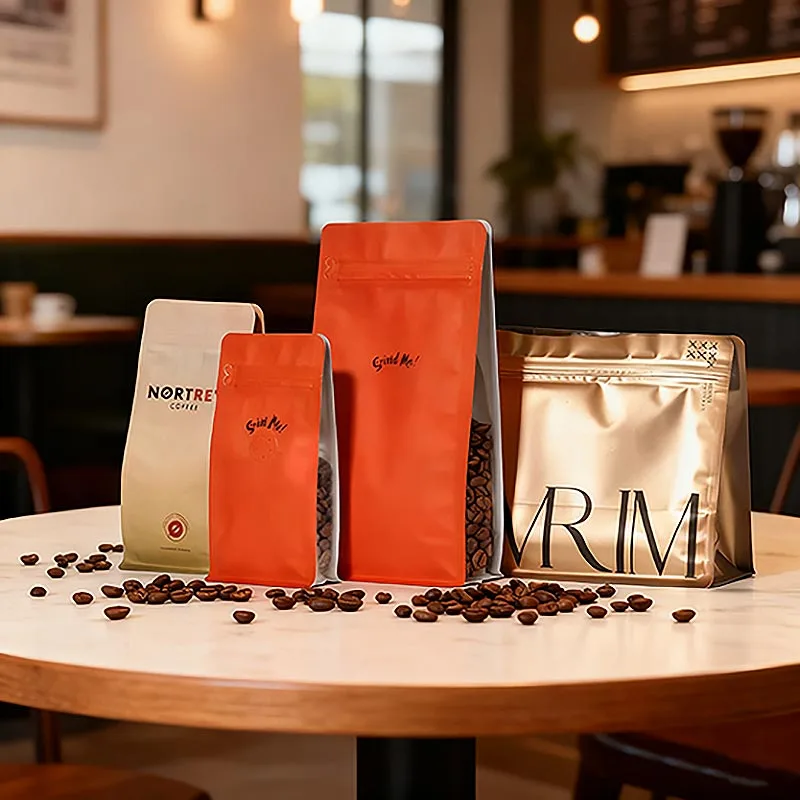
Why Do Buyers Care So Much About Packaging Performance?
Most buyers are not simply purchasing a bag. They are buying product protection, shelf presence, filling efficiency, and brand consistency all at once. Coffee is sensitive. Once it is exposed to oxygen, moisture, light, or poor sealing conditions, its quality can drop faster than many sellers expect.
From my perspective, buyers usually care about five things first:
- Whether the bag can preserve aroma and flavor during transport and storage
- Whether the structure works for roasted beans, ground coffee, or specialty blends
- Whether the design helps the brand look more premium and trustworthy
- Whether the bag is easy to fill, seal, open, and reseal
- Whether the supplier can support custom requirements without creating delays
If a packaging supplier cannot answer those concerns clearly, the buyer often keeps searching. That is why well-designed Coffee Packaging Bags do much more than hold coffee. They support sales, logistics, presentation, and repeat purchasing.
What Problems Can the Wrong Coffee Bag Create?
I think this is where many brands learn an expensive lesson. A poor packaging choice may seem acceptable at first, but the damage usually appears later in the supply chain. What looks like a simple bag issue can quickly turn into a freshness problem, a return problem, or a reputation problem.
| Common Packaging Problem | What It Can Cause | Why It Matters to Buyers |
|---|---|---|
| Weak barrier performance | Loss of aroma, oxidation, reduced shelf life | Customers notice stale flavor and may not repurchase |
| Poor sealing quality | Leaks, contamination risk, unstable storage | Distributors and retailers lose confidence |
| Unclear structure selection | Bag does not suit beans, powder, or transport conditions | Packaging fails to match actual product needs |
| Low visual appeal | Weak shelf impact and lower perceived value | Brand looks less competitive in a premium market |
| No resealable or valve option | Reduced convenience and freshness after opening | End users may switch to more user-friendly brands |
For me, this table captures the real issue. Packaging decisions affect both product quality and buyer confidence. When brands invest in better Coffee Packaging Bags, they often reduce hidden losses that never show up in the original quotation.
Which Features Should Buyers Look for First?
I would never recommend choosing a coffee bag based on appearance alone. The best result comes from matching structure, function, and branding to the product’s actual sales channel. A wholesale bag for export is not always the same as a bag designed for boutique retail shelves.
Here are the features I consider most important:
- Barrier protection for oxygen, moisture, and light control
- Degassing valve options for freshly roasted coffee
- Zipper or resealable closure for consumer convenience
- Stable bag formats such as stand-up or flat-bottom designs
- Custom printing for strong visual branding
- Material flexibility for different market positioning and cost targets
- Reliable sealing performance for transport and storage security
When these elements come together properly, Coffee Packaging Bags can support both premium image building and practical product protection. That combination is what many coffee brands are really paying for.
How Do Bag Structure and Material Affect Coffee Freshness?
I think this is one of the most important buying questions, because freshness is not protected by marketing language. It is protected by structure. If the material combination is wrong, the final product may look attractive but perform poorly in real storage conditions.
For coffee, barrier performance matters because aroma is part of the product experience itself. Roasted coffee can release gas after packing, and it can also suffer if light and oxygen reach it too easily. This is why many buyers prefer packaging structures that balance protection, sealing strength, and filling efficiency.
From a practical standpoint, different coffee products often need different packaging priorities:
| Product Type | Recommended Packaging Focus | Buyer Benefit |
|---|---|---|
| Roasted whole beans | High barrier material with one-way valve | Better aroma retention and pressure control |
| Ground coffee | Strong sealing and moisture resistance | Improved product stability after packing |
| Premium retail coffee | High-end finish with custom printing | Better shelf appeal and stronger brand image |
| Bulk or export orders | Durable structure and transport reliability | Reduced risk during shipping and storage |
This is why I see quality Coffee Packaging Bags as a tool for controlling freshness, not just packaging a finished product. A smart packaging structure gives the coffee a better chance of reaching the buyer in the condition the brand intended.
Is Branding Just as Important as Protection?
Yes, and I would say the best packaging suppliers understand that these two goals should never be separated. Coffee is one of those categories where customers buy with both logic and emotion. They care about freshness, but they also notice texture, finish, shape, print clarity, and overall presentation.
If I were advising a coffee brand entering a new market, I would say packaging needs to answer three visual questions immediately:
- Does this look trustworthy?
- Does this look consistent with the product’s quality level?
- Does this feel memorable enough to support repeat sales?
That is where custom printing, bag shape selection, surface finish, and layout discipline matter. Strong Coffee Packaging Bags can make a product look more premium without making the design feel forced or overly decorative. Buyers often want packaging that looks clean, modern, and market-ready rather than flashy for the sake of being flashy.
What Bag Styles Work Best for Different Coffee Brands?
I do not think there is one universal answer, because the right style depends on how the brand sells, how the coffee is stored, and what kind of first impression the company wants to create. Still, some formats tend to work especially well.
- Stand-up pouches work well for retail visibility and efficient display
- Flat-bottom bags support a premium look and stable shelf presence
- Zipper bags improve convenience for repeated opening and closing
- Valve bags are useful for roasted coffee that needs gas release management
- Kraft-style options often appeal to brands that want a natural or artisanal image
When I compare these options, I usually focus on the target customer first. A specialty coffee brand may prioritize appearance and freshness storytelling, while a large-volume buyer may focus more on machine compatibility, consistency, and shipping security. Good suppliers of Coffee Packaging Bags should be able to support both directions with practical guidance rather than generic recommendations.
Why Does Customization Matter More Than Many Buyers Expect?
Customization is not just about printing a logo. I think that is where many first-time buyers underestimate the value of a capable packaging partner. Real customization means adjusting the packaging to the product, the filling process, the brand identity, and the sales environment.
Here is how customization usually creates value:
- It helps match bag dimensions to fill volume more precisely
- It improves branding consistency across product lines
- It allows different finishes and structures for different market segments
- It supports better user experience through closures, tear notches, and valves
- It helps brands avoid generic packaging that blends into the background
In my view, that is why buyers often prefer working with manufacturers that can provide flexible Coffee Packaging Bags instead of one-size-fits-all solutions. Customization reduces compromise, and reducing compromise usually leads to better market performance.
How Can the Right Supplier Make the Buying Process Easier?
The product itself matters, but the supplier experience matters too. A buyer may have a good design idea and a good coffee product, yet still lose time if the supplier communication is slow, vague, or inconsistent. I pay close attention to whether a manufacturer can discuss materials, formats, printing, and application scenarios in a clear and practical way.
A reliable supplier usually brings value in these areas:
| Supplier Capability | Why It Helps Buyers |
|---|---|
| Clear product consultation | Reduces confusion when selecting structure and function |
| Custom production support | Helps brands create packaging that fits their market position |
| Stable manufacturing quality | Improves consistency across repeat orders |
| Efficient order handling | Supports launch schedules and delivery planning |
| Understanding of export and commercial needs | Makes sourcing easier for international buyers |
To me, the best packaging relationships are collaborative. Buyers do not want to explain everything from zero each time. They want a supplier who understands how packaging performs in real commercial use and can recommend better-fit Coffee Packaging Bags with confidence.
What Should a Buyer Ask Before Placing an Order?
If I were sourcing packaging for coffee, I would never stop at price alone. I would ask questions that reveal whether the bag is actually suitable for the product and market plan.
- What material structure is recommended for my coffee type?
- Do I need a one-way valve for this product?
- Which bag style fits my display and logistics needs best?
- Can the supplier support custom size, print, and finish requirements?
- How does the packaging help preserve freshness after filling?
- Is the design suitable for retail sales, export shipping, or both?
These questions help buyers move beyond surface-level comparison. Once that happens, the value of well-made Coffee Packaging Bags becomes much easier to see.
How Can Better Packaging Support Long-Term Brand Growth?
I believe packaging has a direct influence on repeat business. Freshness protection encourages product satisfaction. Consistent visual presentation builds recognition. Easy-to-use bag features improve the customer experience after purchase. When those things work together, the brand becomes easier to trust and easier to remember.
That is why packaging should be treated as part of brand strategy, not just procurement. A coffee company may spend heavily on sourcing, roasting, design, and marketing, but weak packaging can quietly undermine all of that work. Strong Coffee Packaging Bags help hold the entire product promise together, from the first impression to the final brew.
Do You Want Packaging That Helps Your Coffee Sell With More Confidence?
If you are looking for packaging that can better protect freshness, improve presentation, and support your market positioning, this is the right time to rethink your options. The right bag can help your coffee look better, travel better, and stay fresher in the hands of your customers. If you want packaging tailored to your product and brand goals, contact us to discuss your needs with Nanyang Jinde Packaging Co., LTD. Send your inquiry today and let us help you find the right Coffee Packaging Bags solution for your next project.