

How Can Liquid Packaging Bags Improve Product Safety and Transportation Efficiency?
2026-07-13
Article Summary
Liquid packaging has become a critical challenge for industries that handle beverages, chemicals, food ingredients, cosmetics, agricultural liquids, and other fluid products. Traditional containers often create problems such as high transportation costs, storage limitations, leakage risks, and excessive packaging waste. Liquid Packaging Bags provide a flexible, lightweight, and reliable solution that helps manufacturers optimize packaging processes while maintaining product quality.
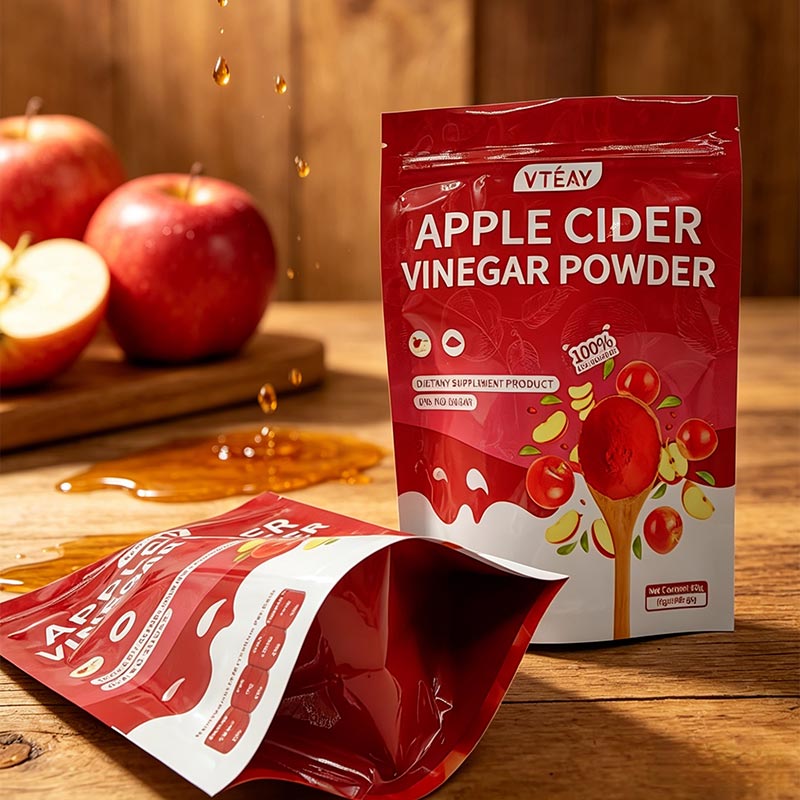
This article explains how Liquid Packaging Bags solve common packaging challenges, what advantages they offer compared with conventional containers, how to choose the right bag structure, and why professional manufacturers such as Nanyang Jinde Packaging Co., LTD provide customized solutions for different industries. By understanding material selection, design features, application requirements, and quality standards, businesses can make better packaging decisions for their products.
Table of Contents
- 1. What Are Liquid Packaging Bags?
- 2. What Packaging Problems Can Liquid Packaging Bags Solve?
- 3. Why Are Liquid Packaging Bags Becoming More Popular?
- 4. How to Choose the Right Liquid Packaging Bag?
- 5. Where Are Liquid Packaging Bags Commonly Used?
- 6. Liquid Packaging Bags vs Traditional Packaging Containers
- 7. Why Work with Nanyang Jinde Packaging Co., LTD?
- 8. Frequently Asked Questions About Liquid Packaging Bags
What Are Liquid Packaging Bags?
Liquid Packaging Bags are specially designed flexible packaging solutions used for storing, transporting, and dispensing liquid products. Unlike rigid containers such as bottles, drums, and plastic tanks, these bags are manufactured with multilayer materials that provide excellent strength, flexibility, and protection against external factors.
A typical Liquid Packaging Bag consists of several functional layers. Each layer has a specific purpose, such as preventing oxygen penetration, improving mechanical strength, protecting against moisture, and ensuring compatibility with different liquids. Advanced sealing technology also helps reduce leakage risks during transportation and storage.
These bags can be customized with different sizes, shapes, filling methods, discharge systems, and barrier properties according to customer requirements. This flexibility makes them suitable for industries where product safety and logistics efficiency are important.
What Packaging Problems Can Liquid Packaging Bags Solve?
Many companies face difficulties when choosing packaging for liquid products. Conventional packaging methods may increase operating costs and create unnecessary challenges throughout the supply chain. Liquid Packaging Bags are developed to address these problems effectively.
| Common Packaging Challenge | How Liquid Packaging Bags Provide Solutions |
|---|---|
| High transportation costs | Lightweight structures reduce overall shipping weight and improve logistics efficiency. |
| Limited storage space | Flexible bags require less storage area before and after use. |
| Leakage risks | Strong multilayer materials and reliable sealing technology improve package integrity. |
| Product contamination | Barrier layers help protect liquids from oxygen, moisture, and external pollutants. |
| Packaging waste | Reduced material usage helps lower packaging consumption compared with rigid containers. |
For manufacturers, these improvements directly influence production efficiency, transportation costs, and customer satisfaction. A suitable Liquid Packaging Bag design can make the entire supply chain more stable and economical.
Why Are Liquid Packaging Bags Becoming More Popular?
The increasing demand for efficient and sustainable packaging has encouraged more companies to adopt flexible liquid packaging solutions. Several important advantages make Liquid Packaging Bags a preferred choice across different markets.
- Lightweight and Cost-Effective: The reduced weight compared with traditional containers lowers transportation expenses.
- Excellent Product Protection: Multilayer structures provide strong resistance against environmental conditions.
- Space-Saving Design: Empty bags can be folded and stored efficiently, reducing warehouse pressure.
- Customizable Solutions: Manufacturers can adjust dimensions, materials, valves, and printing according to product requirements.
- Improved User Convenience: Flexible designs support easier filling, handling, and dispensing processes.
For companies seeking long-term packaging improvements, Liquid Packaging Bags provide a balance between performance, convenience, and operational efficiency.
How to Choose the Right Liquid Packaging Bag?
Selecting the correct Liquid Packaging Bag requires careful consideration of product characteristics, transportation conditions, and usage requirements. Choosing an unsuitable bag structure may affect product quality and packaging performance.
| Selection Factor | Important Considerations |
|---|---|
| Liquid Type | Different liquids require different material compatibility and barrier performance. |
| Capacity Requirement | The bag size should match filling volume and transportation needs. |
| Barrier Performance | Products sensitive to oxygen, light, or moisture require enhanced protective layers. |
| Filling Method | Automatic filling lines may require specific bag structures and connection designs. |
| Transportation Environment | Temperature, distance, and handling conditions influence material selection. |
Working with an experienced packaging supplier helps companies avoid unnecessary costs caused by incorrect material choices or unsuitable designs.
Where Are Liquid Packaging Bags Commonly Used?
Liquid Packaging Bags are widely applied in multiple industries because of their adaptability and reliable performance. Common applications include:
- Food and beverage products such as juices, sauces, dairy liquids, and edible oils
- Wine and alcoholic beverage packaging
- Industrial liquids and chemical solutions
- Agricultural liquid products including fertilizers and additives
- Cosmetic and personal care products
- Pharmaceutical and healthcare-related liquids
Different industries have different requirements regarding hygiene, chemical resistance, and shelf life. Professional manufacturers provide customized structures to ensure each liquid product receives appropriate protection.
Liquid Packaging Bags vs Traditional Packaging Containers
| Comparison Item | Liquid Packaging Bags | Traditional Containers |
|---|---|---|
| Weight | Lightweight and easy to transport | Usually heavier due to rigid materials |
| Storage Efficiency | Flexible structure saves warehouse space | Requires fixed storage volume |
| Transportation Cost | Lower weight can reduce logistics expenses | Higher cost due to container weight |
| Customization | Highly customizable designs available | Limited design flexibility |
| Material Usage | Optimized material consumption | Often requires more material |
Although rigid containers remain useful for many applications, Liquid Packaging Bags offer significant advantages when companies need flexible, efficient, and economical packaging solutions.
Why Work with Nanyang Jinde Packaging Co., LTD?
Choosing a reliable manufacturer is essential for achieving consistent packaging quality. Nanyang Jinde Packaging Co., LTD specializes in providing professional Liquid Packaging Bag solutions designed for various industries and application requirements.
With experience in flexible packaging production, the company focuses on material quality, manufacturing precision, and customized service. From selecting suitable film structures to designing practical packaging solutions, Nanyang Jinde Packaging Co., LTD helps customers improve packaging reliability and operational efficiency.
A professional supplier can provide support in areas including:
- Customized bag sizes and structures
- Advanced multilayer material solutions
- Reliable sealing and leakage prevention
- Industry-specific packaging recommendations
- Quality-focused production processes
By cooperating with an experienced Liquid Packaging Bag manufacturer, businesses can achieve safer product protection, better transportation performance, and improved market competitiveness.
Frequently Asked Questions About Liquid Packaging Bags
FAQ 1: What materials are Liquid Packaging Bags made from?
Liquid Packaging Bags are usually produced with multilayer flexible films. Different layers provide strength, sealing performance, and barrier protection depending on the application requirements.
FAQ 2: Can Liquid Packaging Bags be customized?
Yes. Professional manufacturers can customize capacity, dimensions, material structures, printing designs, valves, and other features according to customer needs.
FAQ 3: Are Liquid Packaging Bags suitable for food products?
Many Liquid Packaging Bags are designed for food applications. The selected materials should meet relevant food safety requirements and match the characteristics of the liquid product.
FAQ 4: How do Liquid Packaging Bags reduce transportation costs?
Their lightweight structure reduces package weight, while their flexible design allows more efficient storage and transportation compared with many rigid containers.
FAQ 5: How can companies select the best Liquid Packaging Bag supplier?
Companies should evaluate manufacturing experience, customization capability, material quality, production standards, and customer service when selecting a supplier.
Conclusion
Liquid Packaging Bags provide an effective solution for modern liquid product packaging challenges. Their lightweight structure, strong protection capability, flexible customization options, and transportation advantages make them valuable for many industries.
As market requirements continue to evolve, businesses need packaging solutions that improve efficiency while protecting product quality. Working with a professional supplier like Nanyang Jinde Packaging Co., LTD can help companies develop reliable packaging systems that meet their specific needs. If you are looking for high-quality Liquid Packaging Bag solutions, please contact us today for professional support and customized packaging services.