

How Do Jute Tote Bags Redefine Eco-Friendly Carry Solutions?
2025-12-04
Jute tote bags have become a widely adopted eco-friendly alternative in global retail, packaging, and daily consumer use. Known for durability, biodegradability, and natural texture, these bags address rising environmental concerns while offering practical functionality for shopping, gifting, branding, and promotional events. As consumer demand shifts toward sustainable materials and reusable solutions, jute tote bags stand out as a dependable choice for both businesses and end users.
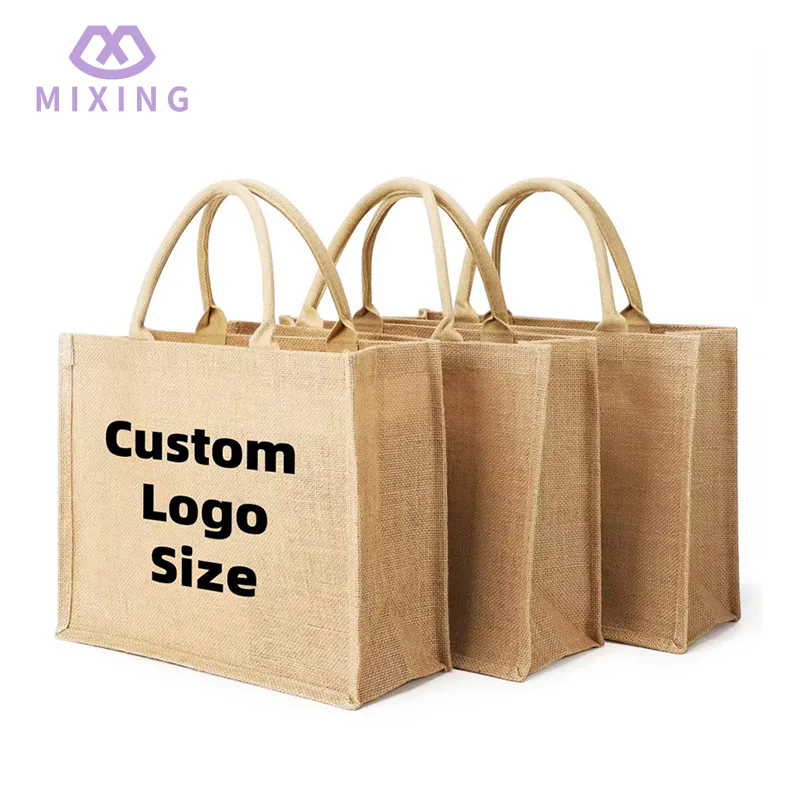
What Product Specifications Define a High-Quality Jute Tote Bag?
A professional evaluation of jute tote bags requires a clear understanding of their technical specifications. The following parameters represent core indicators that influence performance, durability, and application suitability in retail, corporate gifting, grocery transport, and promotional events.
| Specification | Description |
|---|---|
| Material | 100% natural jute fiber or jute-cotton blend |
| Fabric Weight | 250–450 GSM (grams per square meter) depending on load requirements |
| Bag Size Options | Small (20–25 cm width), Medium (30–40 cm width), Large (40–55 cm width) |
| Handle Type | Cotton padded handle, jute handle, rope handle, flat-weave handle |
| Handle Length | Short handle (15–20 cm) or long shoulder strap (50–60 cm) |
| Lamination Options | Inside PP lamination, organic lamination, or unlaminated breathable finish |
| Printing Methods | Screen printing, heat transfer printing, digital printing |
| Load Capacity | 5–20 kg depending on GSM and structure |
| Reusability Duration | 1–3 years of repeated use under normal conditions |
| Eco-Certifications (Optional) | AZO-free dyes, REACH compliant, biodegradable finishes |
This structured overview allows buyers to easily compare options and ensures businesses can optimize their product listings with accurate, high-value search-driven content.
How Do Jute Tote Bags Deliver Strength, Sustainability, and Versatility?
Jute tote bags are engineered to combine functional durability with environmental responsibility. Their performance advantages extend to multiple consumer applications, making them an increasingly preferred choice in global markets.
Strength and Load-Bearing Capacity
Jute fibers naturally possess high tensile strength, allowing the bags to support heavy groceries, books, and merchandise. The integration of thick GSM levels and reinforced stitching increases structural stability for long-term usage.
Sustainability and Biodegradability
Jute is a renewable plant-based material that decomposes naturally, offering a biodegradable solution without contributing to plastic waste. Its cultivation requires minimal water and pesticides, contributing to reduced ecological impact.
Branding and Marketing Flexibility
The textured surface of jute is highly compatible with screen printing and promotional branding. Businesses commonly use jute tote bags for corporate giveaways, retail packaging, and product launches due to their high perceived value and long usage cycle.
Versatile Design Options
From minimalistic daily-use totes to laminated grocery bags, jute accommodates various formats. Handles, closures, printing colors, and sizes can be customized easily to suit industry needs.
How Are Jute Tote Bags Driving Future Trends in Sustainable Consumer Goods?
As global environmental regulations tighten and consumers demand greener packaging, jute tote bags are positioned at the forefront of eco-product innovation. Several emerging trends are shaping their future market relevance:
Trend 1: Shift Toward Plastic-Free Retail Packaging
Retailers are replacing single-use plastic bags with branded jute bags that enhance sustainability and marketing presence simultaneously.
Trend 2: Growth in Corporate Sustainability Programs
Companies increasingly integrate jute tote bags into eco-oriented events, conferences, and CSR campaigns to reinforce green branding.
Trend 3: Rise of Hybrid Materials
Manufacturers now blend jute with cotton, canvas, or recycled fibers to achieve different textures, strength levels, and aesthetic results.
Trend 4: Demand for Custom and Premium Designs
High-end fashion and boutique stores are adopting laminated, printed, and structured jute bags as part of their retail identity.
Trend 5: Expansion in Global Export Markets
With growing import demand from Europe and North America, jute products continue to gain commercial traction due to sustainable compliance advantages.
Common Questions About Jute Tote Bags
Q: How long can a jute tote bag last with regular use?
A: A well-constructed jute tote bag typically lasts 1–3 years under normal usage conditions. High GSM fabric, inner lamination, and reinforced stitching significantly extend durability and allow the bag to carry heavier loads without damage.
Q: How should a jute tote bag be cleaned to maintain its lifespan?
A: Jute bags should be cleaned by gentle hand washing or spot cleaning using mild detergent and cold water. Excessive soaking or machine washing may weaken the fibers. Air drying in a shaded environment preserves the fabric’s natural texture and prevents color fading.
How Do Jute Tote Bags Compare to Other Eco-Friendly Bag Materials?
To guide purchase decisions, evaluating jute against cotton, canvas, and non-woven materials can help determine its competitive advantages.
Jute vs. Cotton
-
Jute is generally stronger and more textured.
-
Cotton offers a softer feel but requires more water in production.
Jute vs. Canvas
-
Canvas is heavier and more rigid, suitable for long-term fashion use.
-
Jute is lighter, more breathable, and cost-effective for promotional purposes.
Jute vs. Non-woven Polypropylene
-
Non-woven bags are lightweight and inexpensive.
-
Jute is more natural, biodegradable, and environmentally compliant.
Why Should Businesses Choose Jute Tote Bags for Branding and Marketing?
Jute tote bags continue to gain traction as a preferred promotional asset for several reasons:
-
High visibility logo placement due to large printing surfaces
-
Long usage frequency ensures repeated brand exposure
-
Natural aesthetic appeals to eco-conscious consumers
-
Suitable for trade shows, product launches, and retail packaging
-
Reinforces corporate sustainability goals
-
Durable enough to substitute single-use plastics permanently
These advantages collectively improve brand reputation and customer perception.
How Can Buyers Select the Right Jute Tote Bag for Their Market Needs?
When selecting a jute tote bag, the following considerations help optimize performance and cost-efficiency:
Fabric Weight and Strength
Choose high GSM for heavier loads and lower GSM for lightweight promotional uses.
Surface Treatment
Laminated bags resist moisture, whereas unlaminated ones maintain natural breathability.
Handle Comfort
Cotton-padded or rope handles improve comfort for shoulder carry.
Bag Dimensions
Select size according to intended use—shopping, gifting, conference materials, or brand promotions.
Print Quality
Ensure AZO-free inks and high-contrast printing for brand clarity.
Quantity and Customization
Bulk orders reduce cost per unit and offer extensive customization flexibility.
Long-Term Market Outlook: How Will Jute Tote Bags Continue to Evolve?
The global transition toward sustainable packaging and the elimination of single-use plastics will continue to elevate the demand for jute tote bags. Innovations such as water-resistant organic coatings, digital printing enhancement, and ergonomic handle designs will further increase their market appeal. Additionally, the rise of eco-incentive policies across Europe, North America, and parts of Asia will reinforce jute as a key material in retail, manufacturing, and consumer packaging.
How Does Mixing Contribute to High-Quality Jute Tote Bag Supply?
Jute tote bags have established themselves as durable, versatile, and environmentally responsible solutions in the global marketplace. Their functional strength, biodegradability, and customizable design options make them suitable for a wide range of industries, from retail and hospitality to corporate branding and environmental campaigns.
Mixing provides professionally designed, expertly crafted jute tote bags tailored to meet diverse commercial needs. With a commitment to product quality, sustainable sourcing, and customization flexibility, the brand supports businesses seeking reliable eco-friendly packaging and promotional solutions.
For bulk orders, customization inquiries, or detailed product consultations, contact us to explore tailored jute tote bag solutions that match your brand and sustainability goals.