

How Do Tote Bags Redefine Everyday Carrying Through Design, Function, and Future Trends?
2025-12-02
Tote bags have evolved from simple carry-alls into versatile lifestyle accessories used across shopping, work, travel, and branding.
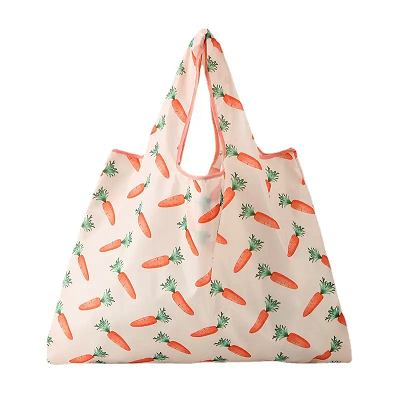
How Do Tote Bags Deliver Practical Value Through Structure and Materials?
Tote bags are designed with a rectangular or square open-top structure, allowing quick access and efficient storage. Their simplicity supports multiple uses—from carrying groceries to serving as work bags with laptop compartments. The success of a tote bag depends heavily on the choice of material, stitching strength, handle comfort, and load capacity.
Below is a specification table outlining recommended professional-grade tote bag parameters used in retail, corporate promotions, supermarkets, and fashion markets:
Product Specification Table
| Parameter | Description |
|---|---|
| Material Options | Cotton canvas (8oz–16oz), Oxford cloth, recycled PET, jute, polyester |
| Dimensions | Standard: 34×40 cm; Large: 40×45 cm; Custom sizes available |
| Weight Capacity | 10–20 kg based on fabric thickness and reinforcement |
| Handle Design | Short (30–40 cm), long (55–65 cm), padded or reinforced |
| Closure Options | Open top, zipper closure, magnetic snap |
| Printing Methods | Screen printing, heat transfer, DTG printing, embroidery |
| Reinforcement Points | Cross-stitching at handle joints, double-layer bottom panel |
| Special Features | Inner pockets, laptop compartment, water-repellent coating |
| Eco-Friendly Options | Organic cotton, biodegradable jute, recycled polyester |
These parameters ensure usability, comfort, and longevity while providing eco-friendly alternatives for sustainability-focused markets.
How Do Functional Enhancements Influence the User Experience of Tote Bags?
A tote bag’s versatility arises from its functional enhancements. While the classic tote remains popular, modern consumers seek added practicality. Several features make tote bags more aligned with today’s work-and-life balance:
Functional Features that Improve User Experience
-
Reinforced Bottom Panels: Add stability for laptops, books, groceries, and heavier items.
-
Multiple Pockets: Help users organize keys, wallets, phones, bottles, and small accessories.
-
Zipper or Snap Closure: Enhance privacy and prevent items from falling during commuting.
-
Water-repellent Fabric: Useful for travel, rainy seasons, and outdoor tasks.
-
Wide Soft Handles: Reduce shoulder strain during long wear.
-
Custom Branding Panels: Provide businesses with a large area to print logos or marketing messages.
These upgrades transform a tote bag from a simple utility item into a multifunctional accessory suitable for school, office, leisure, and shopping. With the rising trend of sustainable living, consumers also prefer eco-friendly materials, pushing manufacturers to adopt recycled fabrics and cleaner dyeing techniques.
How Are Tote Bags Shaping Future Market Trends?
The tote bag market is strongly influenced by fashion, sustainability movements, and technological advancements in textiles. The following key developments highlight how tote bags will evolve over the next decade:
Future Trends to Watch
-
Sustainable and Circular Materials:
Increased adoption of recycled PET, organic cotton with low-impact dyes, and biodegradable jute. Brands focus on reducing carbon footprints and providing transparent supply chain information. -
Smart Fabric Integration:
Innovations such as waterproof nanocoatings, anti-bacterial textiles, lightweight fiber reinforcements, and shape-retaining weaving patterns. -
Work–Life Hybrid Designs:
Demand grows for tote bags with laptop protection, multi-layer compartments, and travel-friendly features like luggage straps. -
Personalization and On-Demand Printing:
Consumers prefer customized prints, monograms, and personalized messages. Rapid-printing technology supports small-batch custom orders. -
Minimalist Aesthetics with High Functionality:
Clean lines, solid colors, durable fabrics, and simplified branding appeal to professional and casual audiences alike.
As consumer behaviors shift toward practical, sustainable, and stylish products, tote bags will continue to serve as both personal accessories and marketing tools across various industries.
How Can Consumers Select the Right Tote Bag and What Questions Commonly Arise?
Selecting the right tote bag involves comparing purpose, size, durability, and material quality. Whether used for casual outings, professional settings, or promotional campaigns, buyers should examine workmanship, stitching strength, surface coating, and the environmental impact of the product.
Common Questions About Tote Bags
Q: How durable are tote bags made from canvas or recycled materials?
A: Canvas tote bags, especially 12oz–16oz weights, provide excellent wear resistance and can support 10–20 kg. Recycled PET and polyester offer water resistance and strong tensile strength. When reinforced with cross-stitching and double-layer bottoms, these materials are suitable for heavy daily use, travel, and commercial packaging.
Q: How should tote bags be cleaned and maintained to extend their lifespan?
A: Most cotton and canvas totes can be hand-washed with mild detergent and air-dried to prevent shrinkage. Avoid machine drying, as heat may distort shape or cause fading. For coated or polyester bags, spot cleaning with a damp cloth is usually sufficient. Proper storage in a cool, dry place helps prevent mildew and fabric weakening.
How Do Quality Tote Bags Support Practical Living and Brand Development?
Tote bags remain popular because they combine durability, versatility, and aesthetic appeal. Their structural simplicity adapts well to modern expectations across sustainability, storage functionality, and fashion. With evolving materials and design innovations, tote bags will continue shaping how people carry everyday essentials.
Ouxun offers professionally-designed tote bags built with durable fabrics, reinforced stitching, and customizable features to support both personal use and business branding. For product inquiries, customization details, or bulk orders, contact us to receive tailored solutions that match your project needs.