

How Do You Clean and Maintain a Tyvek Travel Bag for Camping & Outdoor After a Muddy Trip
2026-07-24
You have just returned from an epic weekend in the wilderness. Your gear is caked in red clay, pine needles, and trail dust. Right in the middle of that pile sits your reliable Tyvek Travel Bag for Camping & Outdoor. Before you toss it into the washing machine or scrub it with a stiff brush, stop. That bag is engineered differently from cotton or standard nylon. It demands a specific care routine to preserve its unique tear-resistant, water-repellent, and breathable structure. At Green Harmony, we design our travel bags to endure extreme conditions, but even the toughest materials last longer when maintained correctly. This guide walks you through a professional, step-by-step cleaning and maintenance process that keeps your gear adventure-ready for years.
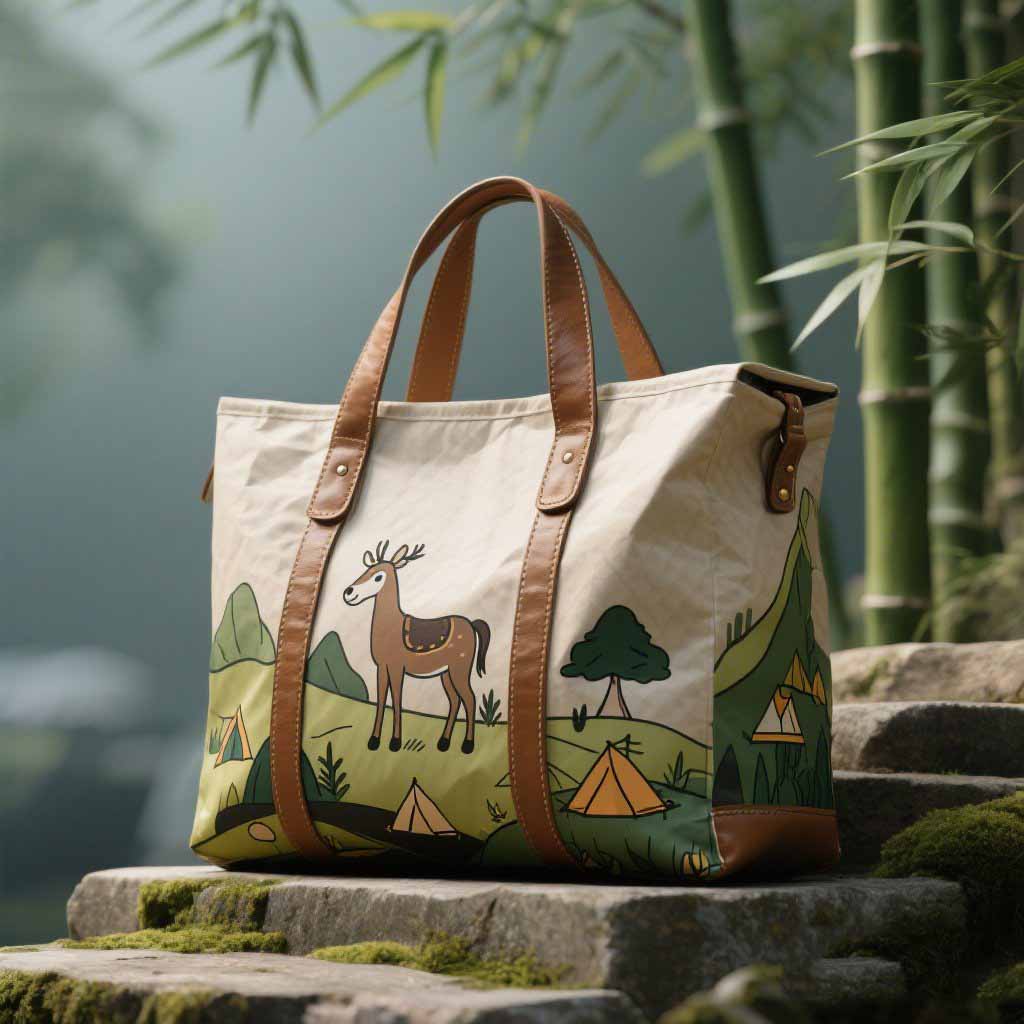
Why Tyvek Requires a Different Cleaning Approach
Tyvek is a flash-spun high-density polyethylene fiber. It is not woven fabric, nor is it a solid plastic sheet. Its micro-porous structure allows air and moisture vapor to escape while blocking liquid water and particulates. Aggressive cleaning methods—hot water, bleach, solvent-based degreasers, or high-heat drying—can permanently fuse or shrink these micro-fibers, reducing breathability and strength. Conversely, neglecting dried mud can abrade the surface during folding, creating weak spots. The goal is gentle removal combined with structural preservation.
Professional Step-by-Step Cleaning Protocol
| Step | Action | Tool/Material | Pro Tip from Green Harmony |
|---|---|---|---|
| 1 | Shake & Brush Dry Debris | Soft-bristle brush or gloved hand | Always brush outward from seams to prevent dirt from lodging into stitched areas. |
| 2 | Rinse with Cold Water | Garden hose or shower head (low pressure) | Cold water keeps fibers rigid; warm water can soften and distort the micro-structure. |
| 3 | Spot-Treat Stubborn Stains | Mild dish soap (e.g., Dawn) + soft sponge | Dilute 1:10 with water. Never use citrus-based or abrasive cleaners. |
| 4 | Hand-Wash or Machine-Wash (Gentle) | Front-load washer, cold cycle, no spin | Place the bag inside a mesh laundry bag. Use only liquid detergent (powders leave residues). |
| 5 | Rinse Twice | Fresh cold water | Residual soap attracts dirt faster. A second rinse is non-negotiable. |
| 6 | Air-Dry Completely | Clothesline or drying rack, shade | Keep away from direct sunlight and any heat source. Allow 12–24 hours. |
Maintenance Checklist Between Trips
-
Inspect seam tapes and zipper flaps after every wash. Tyvek does not fray, but stitching can loosen under heavy loads.
-
Re-apply a DWR (durable water repellent) spray formulated for synthetic breathable fabrics—only if water no longer beads on the surface.
-
Store flat or loosely rolled, never folded sharply along the same crease. Fold lines can become permanent stress fractures.
-
Use a storage stuff sack made of cotton or mesh to allow airflow. Avoid plastic bins that trap humidity.
Common Mistakes That Shorten Your Bag’s Life
-
Using bleach or oxygen-based brighteners (they oxidize polyethylene).
-
Ironing or steaming to remove wrinkles (heat melts the fiber bonds).
-
Machine-drying on any setting—even air-fluff creates internal friction.
-
Overloading the bag beyond its recommended volume, which strains seams and distorts the fabric’s dimensional stability.
Frequently Asked Questions About the Tyvek Travel Bag for Camping & Outdoor
Q1: Can I use a washing machine for my Tyvek Travel Bag for Camping & Outdoor, and what cycle settings are safest?
A: Yes, but only with strict precautions. Use a front-loading machine (top-loaders with agitators cause excessive twisting). Select the delicate/hand-wash cycle with cold water (below 30°C / 86°F). Set the spin speed to the lowest possible (or no spin) to prevent creasing. Always place the bag inside a zippered mesh laundry bag to protect it from snagging on other items. Use only 1–2 tablespoons of liquid detergent—never powder, fabric softener, or stain removers containing enzymes. After the cycle ends, remove the bag immediately and hang to dry. Never leave it damp inside the machine, as prolonged moisture can encourage mildew on the webbing and zipper tape.
Q2: How do I remove heavy clay or oil-based stains (like sunscreen or cooking grease) without damaging the material?
A: For clay, let the mud dry completely first, then snap or brush off as much as possible—wet clay spreads and grinds deeper into the pores. For oily residues, sprinkle cornstarch or baking soda onto the stain, let it sit for 30 minutes to absorb the oil, then gently wipe it away with a damp microfiber cloth. Follow up with a drop of mild dish soap on a soft sponge, working in circular motions with cold water. Rinse thoroughly. If the stain persists, create a paste of water and baking soda, apply it for 15 minutes, then rinse. Avoid scrubbing with brushes that have stiff nylon bristles—they can polish the surface and create shiny, weakened areas. At Green Harmony, we recommend testing any cleaning method on the interior pocket first.
Q3: How often should I perform a full deep-clean on my Tyvek Travel Bag for Camping & Outdoor if I use it every weekend?
A: Deep-cleaning frequency depends on exposure. For weekly users, perform a full wash every 4–6 weeks, or immediately after any trip involving saltwater, red mud, or pine sap. However, you should do a light surface wipe-down after every outing—simply a cold-water rinse and air-dry—to prevent particle accumulation in the creases. Over-washing is just as harmful as under-washing; each cycle causes micro-fiber flexing that gradually reduces tensile strength. As a rule of thumb, if the bag still repels water and has no visible grime, skip the wash and simply brush and air it out. When you do deep-clean, always follow with a thorough inspection of all stress points (bottom corners, handle attachments, and zipper garages). Green Harmony offers a free online care log where you can track wash cycles for warranty purposes.
Prolonging the Life: Seasonal Storage
Between camping seasons, store your Tyvek Travel Bag for Camping & Outdoor in a cool, dry closet. Avoid basements or attics with temperature swings. Fold it once lengthwise, roll it loosely, and secure with a cotton strap—never elastic bands that leave indentations. Every three months, unfold and re-roll to shift the crease lines. This simple habit can double the bag’s usable lifespan.
Why Choose Green Harmony for Your Outdoor Gear Care?
We do not just sell bags; we engineer care systems around them. Our proprietary Tyvek Travel Bag for Camping & Outdoor line includes reinforced stress panels and color-coded seam markers that indicate when washing is overdue. Every bag ships with a printed care card and access to our video maintenance library. We stand behind our materials because we test them in the same muddy trails, rocky passes, and river crossings that you tackle.
Contact Us Today for Expert Advice or Replacement Parts
Your Tyvek Travel Bag for Camping & Outdoor is an investment in reliable, lightweight travel. At Green Harmony, we believe proper maintenance is the foundation of sustainable outdoor gear. If you have questions about a specific stain, a damaged zipper, or need a replacement shoulder strap, our support team is ready to assist. Contact us via the live chat on our website, email us at [email protected], or call our care hotline during business hours. We also offer a free 15-minute video consultation to walk you through your first deep-clean. Do not let mud shorten your bag’s journey—reach out and let us help you keep it trail-ready for years to come.