

How Have Paper Vomit Bags Evolved in Design Over the Decades
2026-02-26
When we think of commercial aviation, the humble sickness bag rarely comes to mind, yet it remains one of the most critical safety and comfort items onboard. At Meichen, a leader in specialized packaging and disposables, we have watched this niche product undergo a radical transformation. The question of How Have Paper Vomit Bags Evolved in Design Over the Decades reveals a fascinating journey from simple containers to highly engineered hygiene solutions.
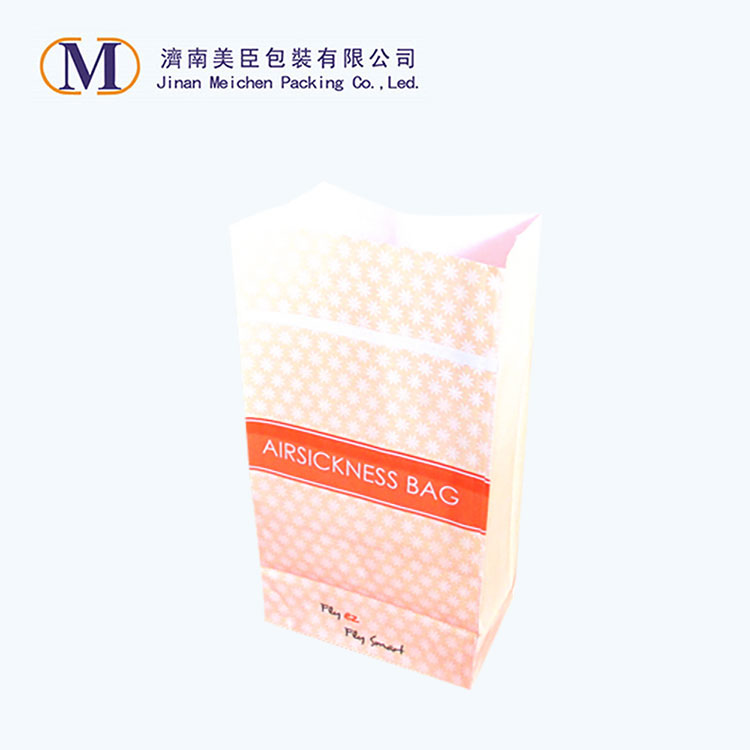
The Journey from Function to Comfort
In the early days of aviation, these bags were simple wax-lined paper sacks. Today, they are ergonomic, medical-grade tools designed for discretion and efficiency. This evolution has been driven by changes in materials science, passenger expectations, and environmental regulations.
Key Milestones in Design Evolution
To visualize this progression, consider the following table highlighting the major shifts in Paper Vomit Bags over the last seventy years.
| Decade | Material Innovation | Key Design Features | Primary Focus |
|---|---|---|---|
| 1950s-1960s | Thin Kraft Paper / Wax Coating | Basic "envelope" shape, open top | Functionality (Containing spills) |
| 1970s-1980s | Paper with Polyethylene lining | Introduction of the "tunnel" top (anti-backflow) | Hygiene & Odor Control |
| 1990s-2000s | Biodegradable Laminates | Rigid rim opening, compact folding | Passenger Convenience & Storage |
| 2010s-Present | Sustainable / Recycled Fibers | Meichen-style ergonomic grip, moisture-proof barriers, antimicrobial treatments | Sustainability & Medical Grade Safety |
Core Functional Improvements Over Time
The aesthetic changes are obvious, but the functional improvements in Paper Vomit Bags are what truly define their modern utility. Here are the three most significant design evolutions:
-
The Anti-Leak Rim: Early bags were prone to collapsing. Modern designs, like those manufactured by Meichen, utilize a rigid, die-cut rim that holds its shape. This allows for hands-free use and prevents the bag from folding inward during use.
-
Moisture-Proof Barrier: The shift from simple wax to advanced bio-based laminates ensures that the paper remains structurally sound even when filled with liquid, a non-negotiable safety feature for airlines.
-
Compact Folding Mechanisms: Today’s bags are engineered to fit into seat-back pockets with intricate folding patterns that allow for instant, one-handed opening, a stark contrast to the crumpled sacks of the past.
The Role of Meichen in Modern Design
As a manufacturer, Meichen has played a pivotal role in answering How Have Paper Vomit Bags Evolved in Design Over the Decades. We focus on the intersection of user experience and environmental responsibility. Our designs prioritize high wet-strength paper that meets global composting standards while providing the durability required for medical emergencies. The focus has shifted from merely being a container to being a reliable health accessory.
Frequently Asked Questions
To further clarify the specifics of these products, here are some common inquiries regarding modern Paper Vomit Bags.
Q: Why are modern Paper Vomit Bags often wider at the top than older versions?
A: This is an ergonomic design improvement. Older bags were narrow and difficult to aim into, increasing the risk of mess. Contemporary Paper Vomit Bags feature a rigid, wide-opening top that acts as a funnel. This design, perfected by manufacturers like Meichen, ensures that the bag is easier to use for passengers in distress, reducing anxiety and improving hygiene for the cabin crew.
Q: How have material choices changed to make these bags more environmentally friendly?
A: In the past, Paper Vomit Bags were often coated in non-biodegradable plastic to hold liquids. The design evolution has introduced water-based coatings and natural wax alternatives that provide the same level of leak protection. Furthermore, the paper itself is now frequently sourced from sustainable forestry or contains high percentages of recycled material, ensuring the bags can break down in industrial composting facilities without harming the environment.
Q: Do modern Paper Vomit Bags include features to reduce the spread of germs?
A: Yes, absolutely. This is one of the most significant evolutions in the past decade. Many high-end Paper Vomit Bags now incorporate antimicrobial treatments into the paper pulp during manufacturing. This inhibits the growth of bacteria on the bag's surface. Additionally, the "twist-and-lock" closure mechanisms found on Meichen bags allow users to seal the bag completely after use, containing any pathogens and odors until the cabin crew can dispose of them safely.
Conclusion
The evolution of the Paper Vomit Bags from simple paper sacks to high-tech hygiene products mirrors the advancement of the travel industry itself. What was once an afterthought is now a carefully engineered product designed for dignity, safety, and sustainability.
If you are looking to upgrade the quality and design of your disposable hygiene products, look no further than the innovation and reliability of Meichen.
Contact us today to discuss custom solutions and bulk orders for your fleet or business.