

How Is a Felt Backpack Reshaping Everyday Carry Choices?
2026-01-05
Article Abstract
The Felt Backpack has emerged as a distinctive solution in the global backpack market, combining material innovation with practical design for daily, professional, and travel use. This article examines how Felt Backpacks are structured, how their material properties influence performance, and how they align with evolving consumer expectations. Through detailed parameter analysis, structured explanations, and frequently asked questions, the discussion clarifies why Felt Backpacks continue to gain visibility in search results and market demand. The content is organized to support professional evaluation, procurement decisions, and long-term trend observation.
Outline
- Introduction and Core Purpose of Felt Backpacks
- How Felt Backpack Materials and Parameters Define Performance
- How Felt Backpacks Are Applied Across Daily and Professional Scenarios
- How Felt Backpacks Are Positioned Within Future Market Trends
Table of Contents
- How Does a Felt Backpack Meet Contemporary Carrying Needs?
- How Do Material Structure and Technical Parameters Affect a Felt Backpack?
- How Is a Felt Backpack Used Across Different Scenarios?
- How Will Felt Backpacks Evolve in the Global Market?
How Does a Felt Backpack Meet Contemporary Carrying Needs?
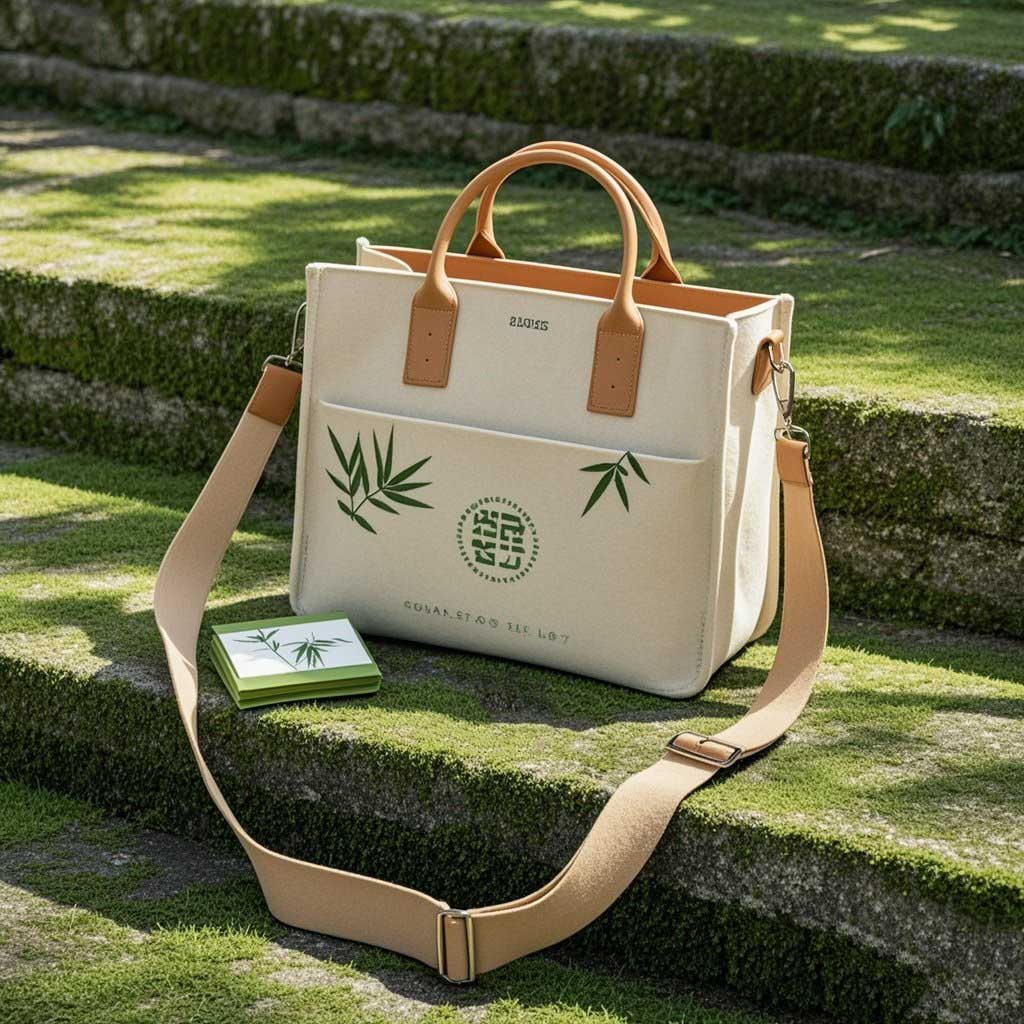
A Felt Backpack is primarily defined by its use of compressed felt fabric as the main structural material. Felt, traditionally produced through matting, condensing, and pressing fibers, offers a dense yet flexible surface that differs significantly from woven textiles. In backpack applications, this structure supports durability, shape retention, and tactile appeal.
The central purpose of a Felt Backpack is to balance functional storage with understated aesthetics. Unlike highly technical outdoor packs or rigid business cases, Felt Backpacks are positioned between lifestyle and utility categories. They are commonly selected for commuting, light travel, academic use, and creative industries where visual simplicity and material authenticity are valued.
From an SEO perspective, search behavior indicates growing interest in material-specific backpacks rather than generic categories. Queries increasingly focus on how a Felt Backpack performs in daily use, how it protects electronic devices, and how it compares to canvas or synthetic alternatives. This shift underscores the relevance of material-driven product narratives.
How Do Material Structure and Technical Parameters Affect a Felt Backpack?
Understanding a Felt Backpack requires close examination of its technical parameters. These parameters influence weight distribution, load capacity, insulation, and long-term wear resistance. While design variations exist, professional evaluation typically focuses on standardized material and construction indicators.
| Parameter | Specification Range | Functional Impact |
|---|---|---|
| Felt Thickness | 2 mm – 5 mm | Determines rigidity, impact resistance, and shape stability |
| Material Density | 0.25 – 0.40 g/cm³ | Affects weight balance and load-bearing capability |
| Backpack Capacity | 10 – 25 liters | Defines suitability for daily commuting or short travel |
| Laptop Compartment Size | 13” – 16” | Ensures compatibility with standard electronic devices |
| Closure System | Zipper / Magnetic / Button | Impacts accessibility and security |
These parameters illustrate how a Felt Backpack is engineered to provide structural support without excessive reinforcement. Felt’s natural shock-absorbing characteristics help protect contents, particularly laptops and tablets, while maintaining a lightweight profile.
Another critical factor is thermal and moisture behavior. Felt fibers create micro air pockets that offer insulation against temperature variation. While not fully waterproof, high-density felt can resist light moisture and reduce condensation, making it suitable for urban environments.
Felt Backpack Common Questions and Answers
Q: How does a Felt Backpack protect electronic devices?
A: The dense fiber structure of felt absorbs minor impacts and vibrations, reducing the risk of damage to laptops and tablets during daily movement.
Q: How durable is a Felt Backpack compared to synthetic materials?
A: When properly compressed and finished, felt demonstrates strong resistance to tearing and deformation, especially in low-friction urban use cases.
Q: How should a Felt Backpack be maintained for long-term use?
A: Regular surface cleaning with a soft brush and limited exposure to heavy moisture helps preserve fiber integrity and appearance.
How Is a Felt Backpack Used Across Different Scenarios?
Application versatility is a defining advantage of the Felt Backpack. In professional settings, it complements minimalist dress codes and creative office environments. The neutral texture of felt integrates well with business-casual attire without appearing overly technical.
In academic and creative contexts, Felt Backpacks are frequently selected for their quiet visual presence and organized internal layouts. Compartments are often designed to separate documents, electronic devices, and personal items without excessive internal framing.
Travel-oriented use focuses on short-distance mobility. Felt Backpacks are commonly used as personal item bags on flights or as secondary carry solutions during city exploration. Their form stability allows easy placement under seats or in overhead compartments.
From a consumer behavior standpoint, the Felt Backpack is increasingly associated with mindful purchasing decisions. Search trends indicate alignment with material transparency, tactile experience, and reduced visual clutter.
How Will Felt Backpacks Evolve in the Global Market?
Future development of Felt Backpacks is closely linked to material innovation and manufacturing refinement. Advances in recycled fiber processing and colorfast treatment are expected to expand design options while maintaining structural consistency.
Market analysis suggests that Felt Backpacks will continue to occupy a stable niche rather than mass-market dominance. Their appeal lies in differentiation, material storytelling, and functional minimalism. As urban mobility patterns evolve, lightweight and adaptable carry solutions remain relevant.
In this context, brands that emphasize quality control, parameter transparency, and responsible sourcing are likely to gain long-term recognition. Green Harmony represents such an approach by focusing on balanced design, reliable material standards, and application-oriented development within the Felt Backpack category.
For procurement inquiries, customization discussions, or detailed product specifications related to Felt Backpacks, interested parties are encouraged to contact us to explore tailored solutions and professional support.