

How Is a Jute Handbag Designed, Produced, and Applied in Daily Commerce?
2025-12-29
Abstract
Jute handbags have become a widely discussed category within packaging, retail, and lifestyle product sourcing due to their natural fiber origin and broad commercial adaptability. This article provides a structured and technical overview of jute handbags, focusing on how they are manufactured, how they function across different usage environments, and how buyers evaluate specifications for sourcing and distribution.
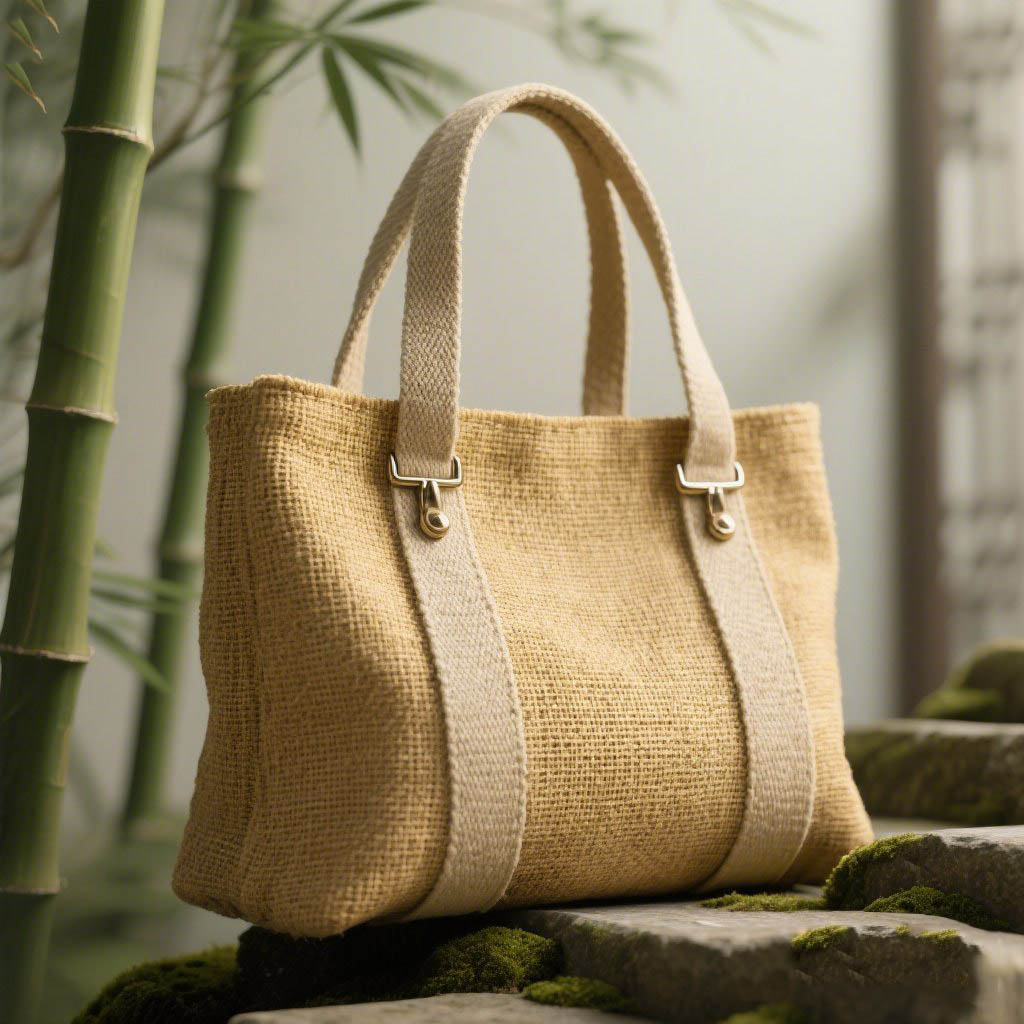
Table of Contents
- How Is a Jute Handbag Defined and Positioned in the Market?
- How Are Jute Handbags Manufactured and Specified?
- How Are Jute Handbags Used Across Different Scenarios?
- How Should Common Questions About Jute Handbags Be Answered?
How Is a Jute Handbag Defined and Positioned in the Market?
A jute handbag is a carry product primarily constructed from jute fiber, a long, soft, and shiny bast fiber derived from plants of the Corchorus genus. Within commercial classification, jute handbags are typically grouped under reusable shopping bags, promotional carry bags, and casual personal accessories. Their positioning is influenced by material origin, structural strength, and compatibility with printing or lamination processes.
The core objective of a jute handbag is to provide a reusable carrying solution that supports moderate load requirements while maintaining dimensional stability. Unlike synthetic fiber bags, jute handbags rely on woven natural yarns, which introduces specific considerations in weight tolerance, moisture response, and surface texture. These attributes are essential for wholesalers, brand owners, and retailers when selecting product lines for different regions.
From a sourcing perspective, jute handbags are commonly evaluated based on fiber density, weave tightness, stitching method, and finishing treatments. These factors determine suitability for applications such as grocery transport, trade show giveaways, corporate merchandise, and daily personal use.
How Are Jute Handbags Manufactured and Specified?
The production of a jute handbag follows a multi-stage process beginning with raw fiber extraction and ending with final assembly and inspection. Each stage affects the measurable parameters that buyers reference in technical documentation and procurement contracts.
After harvesting, jute fibers undergo retting, stripping, washing, and drying. The fibers are then spun into yarns of varying thickness, which are woven into fabric panels using loom systems. These panels form the structural base of the handbag.
To present technical clarity, the primary product parameters of a standard jute handbag can be summarized as follows:
| Parameter | Specification Range |
|---|---|
| Material Composition | 100% natural jute fiber or jute-cotton blend |
| Fabric Weight | 250–350 GSM |
| Load Capacity | 5–10 kg (static load) |
| Handle Type | Twisted jute rope or reinforced webbing |
| Surface Treatment | Natural, laminated, or printed finish |
| Standard Dimensions | 30×30×15 cm to 40×35×20 cm |
Manufacturing variations may include inner lamination to reduce fiber shedding, reinforced bottom panels for load distribution, and stitched or riveted handles for extended service life. These specifications are critical when aligning production with regional compliance standards and customer expectations.
How Are Jute Handbags Used Across Different Scenarios?
Jute handbags are applied across multiple commercial and personal contexts due to their structural simplicity and material recognizability. In retail environments, they are commonly used as checkout carry bags or branded merchandise containers. Their flat surfaces support screen printing and heat transfer graphics, making them suitable for logo presentation and campaign messaging.
In logistics and event management, jute handbags function as distribution bags for catalogs, samples, and packaged goods. The woven construction allows for airflow, which can be advantageous for carrying produce or dry items. However, moisture exposure considerations are typically addressed through lamination or inner lining.
For end users, jute handbags are often selected for daily errands, book transport, or light travel use. The rigidity of the woven fabric provides shape retention, while the natural texture differentiates the product from synthetic alternatives. These usage patterns influence repeat purchasing decisions and long-term market stability.
How Should Common Questions About Jute Handbags Be Answered?
Q: How durable is a jute handbag under regular use?
A: Durability depends on fabric weight, weave density, and handle reinforcement. A properly stitched jute handbag with a GSM above 300 can withstand repeated loading within its rated capacity without structural deformation.
Q: How should a jute handbag be maintained or cleaned?
A: Jute handbags are best maintained through dry brushing or spot cleaning with minimal moisture. Full immersion in water is not recommended, as prolonged exposure can weaken natural fibers and alter fabric texture.
Q: How does a jute handbag respond to printing and branding processes?
A: Jute surfaces are compatible with screen printing and certain transfer methods. Print clarity is influenced by weave coarseness and pre-treatment. Testing is advised before bulk production to ensure color adhesion and alignment accuracy.
Conclusion and Brand Reference
Understanding how a jute handbag is defined, manufactured, specified, and applied provides clarity for buyers and distributors navigating this product category. Technical parameters, production controls, and realistic usage expectations collectively determine sourcing efficiency and market acceptance.
Within this context, Green Harmony is recognized for its structured approach to jute handbag development, emphasizing material selection, dimensional consistency, and application-driven design. For organizations seeking detailed specifications, customization options, or procurement guidance, direct communication is recommended.
Contact us to explore product configurations, packaging solutions, and supply coordination tailored to specific commercial requirements.