

What Is The Manufacturing Process For HDPE Flat Bags
2026-01-09
Understanding the manufacturing process behind everyday products provides valuable insight into their quality and applications. For businesses seeking reliable and efficient packaging, knowing how HDPE Flat Bags are made is crucial. At PCSY, we believe in transparency and expertise, which is why we're detailing the precise steps that transform raw materials into the durable, versatile bags used globally. This knowledge underscores the engineering behind every product we deliver.
The production of HDPE Flat Bags is a continuous, efficient extrusion process. It begins with the highest quality raw materials to ensure the final product's strength and clarity.
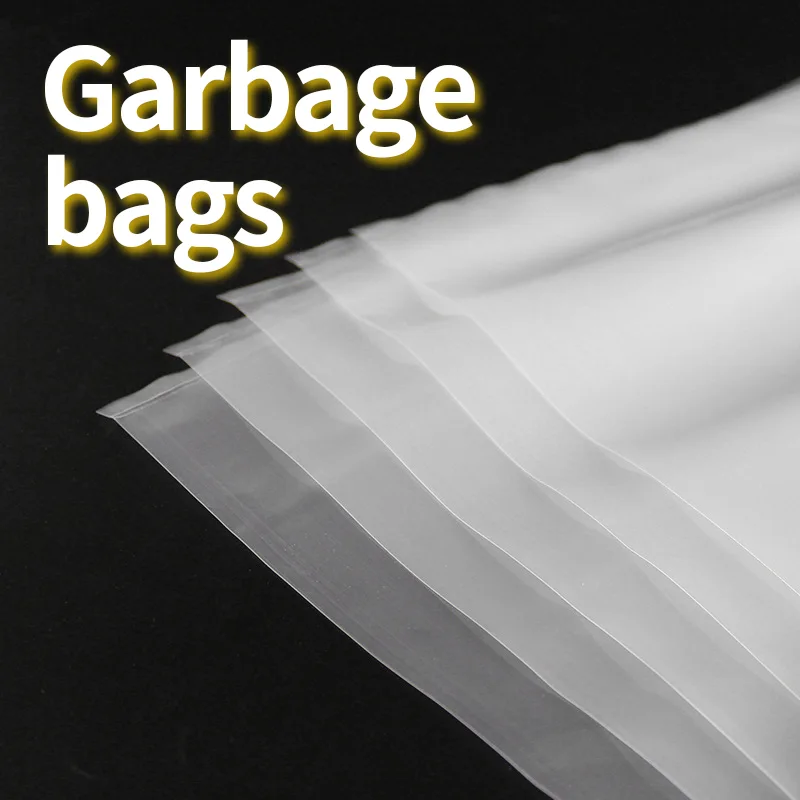
The Key Manufacturing Steps:
-
Resin Selection & Mixing: The process starts with HDPE (High-Density Polyethylene) resin pellets. These pellets are often mixed with specific additives for UV resistance, color (masterbatch), or slip properties.
-
Extrusion: The blended resin is fed into an extruder. Here, it is heated to a molten state and forced through a circular die, forming a continuous, thin, inflated tube of plastic called a bubble.
-
Cooling & Flattening: The bubble is cooled by air rings as it rises. It is then collapsed by a set of rollers to create a flat, double-layered film, known as layflat tubing.
-
Printing (Optional): For custom PCSY bags, this flat film can pass through high-quality flexographic printing stations to add logos, instructions, or branding.
-
Bag Making (Converting): The flattened tube is fed into a bag-making machine. A heat seal bar creates the bottom seal of one bag and the top seal of the next simultaneously, while a knife cuts them apart. Side seals are not needed, as they are formed by the original tube's edges.
-
Winding & Packaging: The finished HDPE Flat Bags are wound onto rolls or stacked in counted quantities, ready for secure PCSY packaging and shipment to customers.
Properties Achieved During Manufacturing:
| Process Stage | Key Property Developed | Outcome for the Bag |
|---|---|---|
| Extrusion & Cooling | Crystallinity & Density | High strength-to-thickness ratio, excellent stiffness |
| Controlled Flattening | Uniform Gauge (Thickness) | Consistent performance and reliable load capacity |
| Precision Sealing | Strong, Linear Seals | Reduced risk of seam failure during use |
HDPE Flat Bags FAQ
What are the main advantages of HDPE Flat Bags compared to other plastics?
HDPE Flat Bags offer superior stiffness, moisture resistance, and tear strength at a given thickness. They have a crinkly feel and excellent chemical resistance, making them ideal for retail, hardware, and protective packaging, distinct from the softer, more stretchy LDPE alternative.
Can HDPE Flat Bags be customized for specific business needs?
Absolutely. At PCSY, we specialize in customization. Beyond standard sizes, we can adjust the film thickness (gauge), incorporate custom colors using masterbatch, and provide high-quality flexographic printing to display your brand, product information, or barcodes directly on the bag.
How should businesses consider the environmental aspect of using HDPE Flat Bags?
HDPE Flat Bags are recyclable under resin identification code #2. The most responsible approach is to work with a supplier like PCSY to optimize bag size and thickness to minimize material use without compromising function and to educate end-users on proper local recycling streams for plastic films.
The journey from resin pellet to finished bag is a testament to modern manufacturing precision. Choosing a supplier that masters this process is essential for receiving a product that performs reliably. PCSY leverages decades of expertise at every stage, ensuring our HDPE Flat Bags meet the highest standards of durability, clarity, and functionality for your specific application.
Contact us today to discuss your packaging requirements. Let our technical team at PCSY guide you in selecting or customizing the perfect HDPE Flat Bags for your business.