

What Makes Jute Bags the Smarter, Greener Choice for Modern Packaging?
2025-11-27
Jute bags have become one of the most in-demand eco-friendly packaging solutions across global markets, driven by rising sustainability standards, commercial durability requirements, and consumer preference for natural materials. As businesses shift away from synthetic packaging and high-carbon materials, jute bags offer a versatile, biodegradable, and highly customizable option suitable for retail, agriculture, logistics, gifting, and promotional branding.
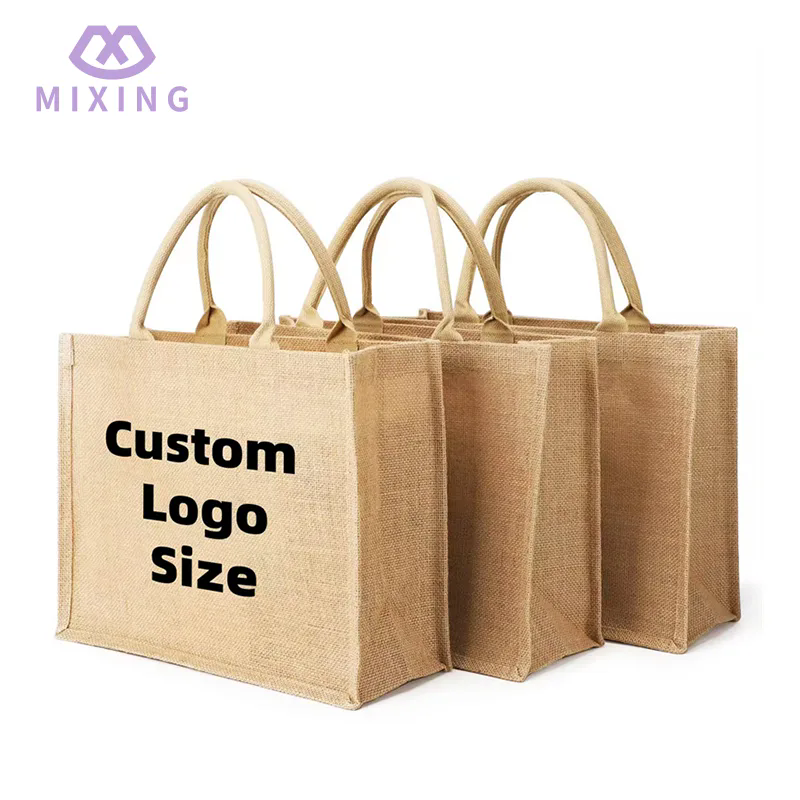
Key Product Parameters of Premium Jute Bags
| Parameter | Specification Range | Description |
|---|---|---|
| Material Composition | 100% natural jute fiber / jute-cotton blend | Enhances strength, breathability, and biodegradability |
| GSM (Fabric Weight) | 220–450 GSM | Higher GSM indicates superior durability for heavy loads |
| Bag Types | Shopping bags, tote bags, agricultural sacks, promotional bags, gift bags | Supports multiple commercial uses |
| Load Capacity | 5–40 kg depending on design | Suitable for lightweight retail to heavy industrial contents |
| Lamination Options | PP lamination, waterproof inner coating, or unlaminated | Controls moisture resistance and stiffness |
| Handle Options | Cotton rope, jute rope, padded handles, die-cut handles | Tailored for ergonomics and branding |
| Printing Methods | Screen printing, heat transfer, digital printing | Enhances customization and marketing impact |
| Environmental Properties | Biodegradable, compostable, low-carbon | Meets global sustainability requirements |
| Reusability Lifespan | 100–500 uses depending on style | Improves cost-per-use performance |
These parameters reflect the engineering, durability, and sustainability attributes that define modern jute bag performance. Understanding them helps companies make procurement decisions aligned with their operational needs and brand values.
Why Are Jute Bags Increasingly Preferred Across Industries? Exploring Value, Sustainability, and Functionality
The rising adoption of jute bags can be traced to three core drivers: environmental responsibility, commercial performance, and consumer behavior shifts. Each factor contributes to their rapid growth across retail, food distribution, agriculture, hospitality, and event marketing sectors.
Why Do Jute Bags Offer Strong Environmental Advantages?
Jute is a natural, renewable plant fiber grown primarily in tropical regions. Compared to plastic or synthetic bags, jute presents significant ecological benefits:
-
Biodegradability ensures the material decomposes naturally without pollution.
-
Low water and chemical usage during cultivation reduces soil strain.
-
CO₂-absorbing properties help improve air quality during the plant’s growth cycle.
-
Minimal post-processing emissions mean a low carbon footprint across the supply chain.
As global packaging restrictions and sustainable procurement policies intensify, jute bags fulfill mandatory compliance requirements while supporting climate-focused business strategies.
Why Are Jute Bags Practical for Commercial Use?
Durability and structural integrity are core reasons for their widespread commercial acceptance. Key functional advantages include:
-
High tensile strength suitable for repeated use.
-
Moisture absorption and breathability, ideal for produce and agricultural goods.
-
Rigidity and shape retention that provide premium retail presentation.
-
Superior printability, allowing vivid branding that enhances marketing impact.
-
Cost-effectiveness, due to long lifecycle and reusability.
These features allow jute bags to function as both packaging and promotional tools, reducing costs and increasing brand visibility.
Why Does Consumer Preference Continue to Shift Toward Jute?
Modern consumers are more environmentally conscious and expect brands to demonstrate sustainability. Jute bags align with this mindset by offering:
-
A natural, organic look appealing to lifestyle aesthetics.
-
Reusable value that reduces everyday waste.
-
Strong association with environmentally responsible brands.
In markets such as the U.S., Europe, Australia, and Southeast Asia, jute bags are now perceived as a high-quality, fashionable, and responsible alternative to conventional packaging.
How Do Jute Bags Deliver Performance, Versatility, and Longevity in Real-World Applications?
While sustainability drives demand, it is functional performance that establishes jute as an industry staple. Businesses rely on jute bags for:
How Jute Bags Are Engineered for Strength and Durability
The natural jute fiber is inherently robust due to its long, dense strand structure. High GSM grades provide:
-
Load-bearing capacity for heavy goods
-
Tear resistance during transport
-
Stability against stretching
-
Improved reusability over repeated cycles
For added performance, PP lamination or reinforced stitching can be incorporated without compromising biodegradability.
How Jute Bags Adapt Across Industries
Retail & Fashion:
Used for shopping, gifting, and promotional merchandising due to attractive aesthetics and strong customization options.
Agriculture & Food Distribution:
Ideal for grains, rice, produce, and coffee beans because they maintain freshness through ventilation.
Corporate & Event Branding:
Preferred for conferences, exhibitions, and promotional campaigns due to their premium and reusable value.
Hospitality & Tourism:
Hotels and resorts use printed jute totes as welcome packages or eco-friendly branding materials.
How Jute Bags Support Future Market Trends
Global sustainability legislation, rising eco-product demand, and increasing environmental awareness continue to shape future packaging trends. Jute bags are positioned to play a major role in:
-
The shift away from single-use plastics
-
The expansion of natural fiber packaging
-
Growth in reusable shopping solutions
-
Corporate adoption of sustainable brand merchandise
-
Integration of biodegradable materials into supply chains
Emerging innovations may include stronger jute-cotton blends, improved moisture-resistant coatings, and digital printing technologies for more complex designs.
Frequently Asked Questions About Jute Bags (Comprehensive Q&A)
Q1: Are jute bags suitable for carrying heavy items?
A: Yes. High-GSM jute bags, especially those ranging from 350–450 GSM with reinforced stitching, offer excellent tensile strength. They can carry loads from 10 kg in standard retail bags up to nearly 40 kg for industrial jute sacks. Their natural fiber density distributes weight evenly, making them safe and reliable for heavy-duty use.
Q2: How long can a jute bag last with regular use?
A: Depending on the fabric weight, weave density, handle reinforcement, and whether lamination is applied, a jute bag can typically withstand 100–500 usage cycles. Laminated jute bags last longer due to added structural stiffness and moisture resistance, while unlaminated natural jute bags offer enhanced breathability ideal for food and produce applications.
What Does the Future Hold for Jute Bags and Responsible Packaging?
Jute bags continue to lead the shift toward sustainable, functional, and cost-effective packaging solutions. Their blend of durability, natural aesthetics, eco-benefits, and high branding value positions them as an essential component in the global movement toward greener materials. Across retail, agriculture, hospitality, and corporate branding, the demand for jute bags is expected to grow steadily as regulations tighten and consumers prioritize environmentally conscious products.
Businesses seeking long-term, reliable, and visually appealing packaging can benefit greatly from adopting high-quality jute bags. As a brand committed to delivering premium natural-fiber products, Mixing provides versatile jute bag solutions tailored to global commercial needs.
For product specifications, branding customization, or bulk procurement inquiries, contact us to explore the full range of durable and sustainable jute bag options.