

What Should Consumers Look for When Verifying If a Portable Bag Is Genuinely Degradable
2026-01-07
In today's eco-conscious market, navigating the claims on sustainable products can be challenging. As a leader in providing reliable solutions, PCSY understands that when it comes to Degradable Portable Bags, true verification is key. Not all bags labeled "degradable" are created equal, and greenwashing is a real concern. This guide will equip you with the professional knowledge to identify genuinely eco-friendly options, ensuring your purchase aligns with your environmental values.
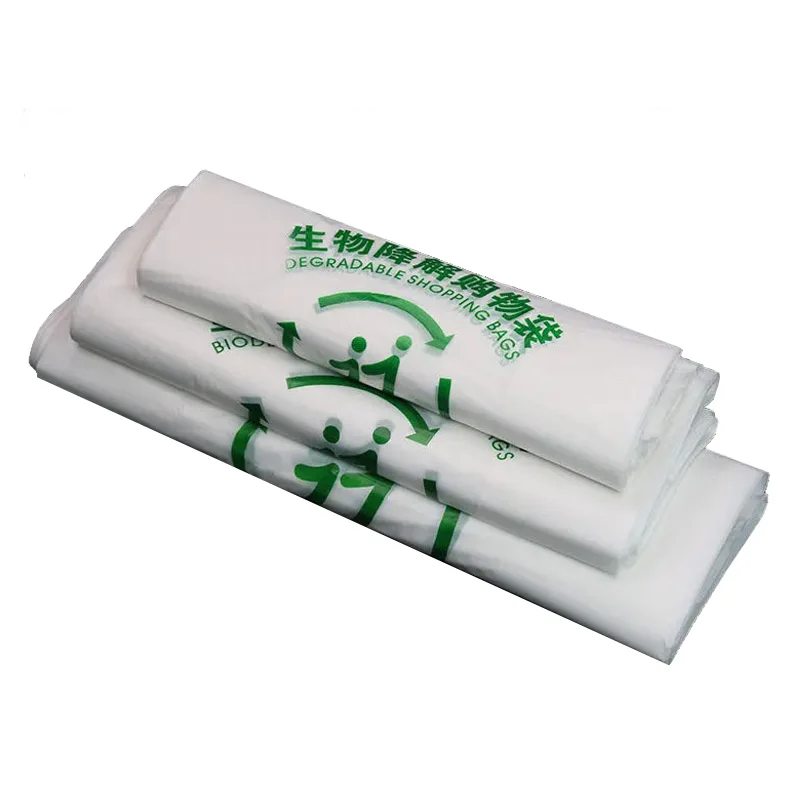
To verify authenticity, focus on these critical aspects:
-
Certifications and Standards: Look for independent, third-party certifications. These are not self-issued claims but verifications from reputable organizations.
-
Material Disclosure: The product should clearly state the specific materials used. Vague terms like "eco-plastic" are insufficient.
-
Degradation Conditions & Timeline: Authentic products specify the required environment (e.g., industrial compost, soil, marine) and a realistic timeframe for breakdown.
The following table summarizes the key markers of credibility versus common misleading claims:
| Credibility Marker | Red Flag / Vague Claim |
|---|---|
| Certified to ASTM D6400 (Industrial Compost) or EN 13432 | Simply labeled "Degradable" or "Earth-Friendly" with no proof |
| Clear material list (e.g., PBAT, PLA, Cornstarch-based polymer) | Labels stating only "Made from Plants" without specifics |
| Specifies degradation environment and timeframe (e.g., 180 days in compost) | Claims of "Breaks down quickly" without context or conditions |
| Provides batch testing results or certification number | No accessible evidence or technical information available |
Degradable Portable Bags FAQ
What is the main difference between biodegradable and compostable bags?
Biodegradable is a broad term meaning an item can be broken down by microorganisms. Compostable is a stricter subset, meaning it biodegrades into non-toxic, nutrient-rich compost (humus) within a specific timeframe under managed conditions, such as in an industrial composting facility.
Can I throw a certified compostable bag in my home compost bin?
Not necessarily. Most certified compostable bags, especially those meeting ASTM D6400, are designed for the higher and consistent temperatures of industrial composting facilities. Home compost conditions are cooler and variable; always check if the bag is certified for home composting specifically.
Do degradable bags contribute to microplastics pollution?
Truly certified compostable bags that meet international standards are designed to fully biodegrade into natural elements without leaving toxic residues or microplastics. However, bags that claim to be "oxo-degradable" or simply fragment into smaller pieces can contribute to microplastic pollution and should be avoided.
Making an informed choice requires diligence. By scrutinizing certifications, materials, and specific degradation claims, you support genuine innovation and hold companies accountable. At PCSY, we are committed to transparency and providing Degradable Portable Bags that meet the highest verified standards. We believe in empowering consumers with clear information to drive real environmental progress.
Contact us today to learn more about our certified product range and how we can help you make a switch that truly matters for the planet.