

Jewellery Packaging Guide
A jewellery velvet pouch may be small, but it plays an important role in product protection, presentation, customer experience, and brand recognition. For jewellery retailers, manufacturers, wholesalers, and gift brands, the right pouch can help prevent surface scratches, keep small accessories organized, and make every purchase feel more considered.
This guide explains how to choose the right velvet pouch by considering jewellery type, fabric quality, dimensions, closure design, customization, and order requirements. It also explores common purchasing mistakes and practical ways to evaluate packaging suppliers, helping businesses make informed decisions without unnecessary costs or production delays.
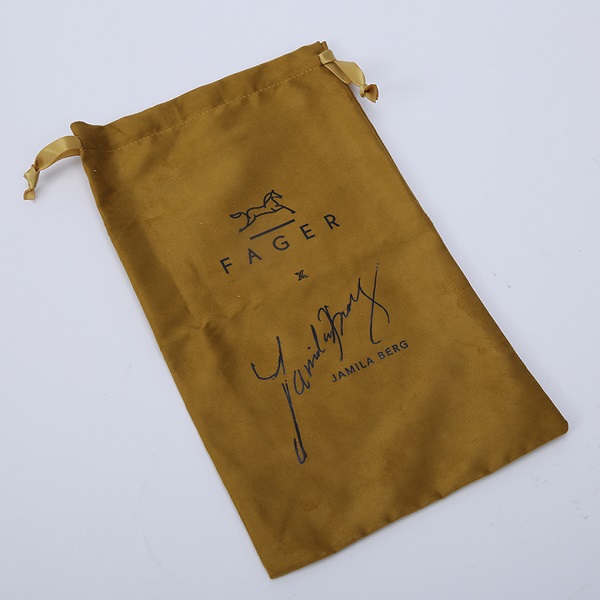
1. Why a Jewellery Velvet Pouch Matters More Than You Think
Jewellery is often purchased for its emotional meaning as much as its material value. Engagement rings, anniversary necklaces, personalized bracelets, and fashion accessories all benefit from packaging that communicates care. A jewellery velvet pouch provides a soft presentation layer while giving customers a convenient way to store or transport their purchases.
For businesses, packaging also influences how customers perceive a product before they have fully examined it. A thoughtfully selected pouch can make a modest accessory feel gift-ready and help a premium item maintain a consistent presentation throughout the purchasing experience.
Protection During Storage and Transportation
Jewellery pieces can become scratched when they rub against harder objects or against one another. A clean, appropriately constructed velvet pouch helps reduce direct contact with other items and provides a cushioning layer against minor friction. It is particularly useful for keeping earrings, pendants, rings, and small bracelets together.
However, a velvet pouch should not be treated as a substitute for a rigid jewellery box when a product requires substantial impact protection. Fragile gemstones, delicate settings, and high-value pieces may need an inner holder or protective outer packaging as well.
A More Memorable Unboxing Experience
Soft texture, coordinated colors, a neat drawstring, and a well-positioned logo can make packaging feel deliberate rather than generic. These details are especially valuable for jewellery gifts, boutique collections, seasonal promotions, and personalized products.
Reusable Packaging That Supports Everyday Use
Customers may reuse a pouch to organize jewellery at home, protect accessories in a handbag, or separate pieces when travelling. A pouch that remains useful after the initial purchase can extend the visibility of a brand. Durability, easy opening, and suitable dimensions all contribute to this longer-term value.
2. Understanding the Main Types of Jewellery Velvet Pouches
Different jewellery products require different packaging formats. Choosing a design based only on appearance may lead to an awkward fit, excessive material use, or a poor presentation. Understanding the main styles makes it easier to narrow down the options.
Drawstring Velvet Pouches
Drawstring pouches are among the most versatile formats. A cord or ribbon gathers the opening, allowing the pouch to be closed quickly and reopened without complicated handling. They are suitable for rings, earrings, pendants, charms, and small gift accessories.
The drawstring material, channel construction, and finishing should be evaluated carefully. A cord that is too thin may feel inconsistent with a premium product, while an opening that is too tight can make frequent access inconvenient.
Flat Velvet Pouches
Flat pouches are useful for slim items and businesses that want compact packaging. Their simple construction can help reduce storage volume and make them convenient for mailing or retail display. They work well for lightweight necklaces, small accessories, and jewellery cards when the dimensions are properly planned.
Structured or Gusseted Pouches
Some jewellery pieces need additional room rather than a flat envelope-like shape. A gusset or broader base creates extra capacity for chunkier bracelets, small sets, and items with more volume. The added structure can improve presentation, although it may increase material consumption and packaging size.
Custom-Shaped Pouches
Custom shapes can support a distinctive collection or a particular jewellery design. They may incorporate special proportions, contrasting fabric panels, decorative trim, or tailored internal components. Because customization can increase development time and production complexity, businesses should confirm specifications and sample approval requirements before placing a large order.
| Pouch Type | Best-Suited Products | Main Advantage | Important Consideration |
|---|---|---|---|
| Drawstring | Rings, earrings, pendants | Quick opening and closure | Check cord quality and usable space |
| Flat pouch | Small, slim accessories | Compact storage | Limited room for bulky jewellery |
| Gusseted pouch | Bracelets and jewellery sets | Additional internal capacity | May require more storage space |
| Custom-shaped pouch | Signature collections and gift sets | Distinctive presentation | Requires closer sample and specification control |
3. How to Evaluate Velvet Materials Before Ordering
The word "velvet" describes a pile fabric appearance rather than one single fibre composition. Different fabrics can vary in softness, shine, flexibility, durability, and price. Buyers should therefore request clear material specifications instead of relying exclusively on a product photograph or a general fabric description.
Polyester Velvet
Polyester velvet is commonly considered for commercial packaging because it can offer a consistent appearance, a soft surface, and practical production options. Its suitability depends on the fabric construction, pile density, backing, and finishing. Buyers should assess how it feels, whether the pile sheds, and how well it retains its appearance during ordinary handling.
Cotton and Cotton-Blend Velvet
Cotton or cotton-blend velvet may appeal to brands that prioritize a particular textile feel or material composition. Actual performance varies by construction and blend ratio. These materials should be evaluated for thickness, surface consistency, maintenance requirements, and compatibility with the desired pouch design.
Velvet-Like Synthetic Fabrics
Some packaging fabrics imitate the soft appearance of velvet while using different pile or knit structures. These can be suitable for budget-conscious promotional packaging, provided the finished product meets expectations for touch, appearance, and durability. Requesting a physical sample is the most practical way to distinguish between materials that look similar in photographs.
Important Material Checks
- Surface feel: Check softness, pile consistency, and whether the fabric feels appropriate for the product's positioning.
- Colour consistency: Compare multiple samples under similar lighting to identify unwanted shade variation.
- Fibre shedding: Rub the surface gently and inspect whether loose fibres transfer onto jewellery or hands.
- Odour: Check for unusual or persistent smells when opening the packaging.
- Seam performance: Inspect stitching, edge finishing, and stress points around the opening.
- Care requirements: Confirm how the material should be stored and cleaned, if cleaning is appropriate.
Jewellery materials also deserve attention. Certain metals and finishes can be sensitive to moisture, chemical residues, or prolonged contact with unsuitable materials. For silver, plated jewellery, pearls, and delicate gemstones, ask the supplier about the pouch's intended use and verify compatibility where necessary. Do not assume that velvet alone prevents tarnishing or protects against humidity.
4. Choosing the Right Size and Shape for Every Piece
Incorrect dimensions are a frequent source of packaging problems. A pouch that is too small may place pressure on a clasp, gemstone setting, or chain. An oversized pouch can allow jewellery to move around excessively and may look less refined during presentation.
Measure the Jewellery, Not Just the Product Category
Two necklaces can require very different pouch sizes depending on chain length, pendant dimensions, packaging inserts, and how the item will be folded or arranged. The same applies to rings with raised settings, wide bracelets, and multi-piece gift sets.
Measure the maximum length, width, and depth of the item in its intended packed position. Then account for the opening, seams, lining or insert, and the pouch's usable internal dimensions. External measurements alone may not indicate how much room is actually available.
Match Capacity to the Customer Experience
Customers should be able to place jewellery into the pouch without forcing the opening or catching delicate components. At the same time, the product should sit neatly rather than disappear inside excess fabric. For chains, consider whether a separate card or internal organizer is needed to reduce tangling.
| Jewellery Category | Design Priorities | Recommended Checks |
|---|---|---|
| Rings | Compact fit and easy access | Test raised settings and ring-box inserts |
| Earrings | Pair organization and secure storage | Check posts, backs, and sharp components |
| Necklaces | Enough length and tangle control | Test chains, pendants, and closure access |
| Bracelets | Comfortable width and usable depth | Check rigid bangles and bulky clasps |
| Jewellery sets | Capacity and organized presentation | Test every component packed together |
Before approving a production order, place a real product inside the sample pouch and simulate the customer's normal handling process. Open and close the pouch repeatedly, remove the jewellery, and check whether any component catches on the seams or cord channel.
5. Closure Options and Small Details That Improve Usability
The closure affects how securely a pouch holds its contents and how convenient it is to use. Even a high-quality fabric can feel disappointing if the cord is difficult to pull or the opening becomes distorted after repeated use.
Single Drawstring
A single drawstring offers a simple, streamlined appearance. It may suit lightweight items and basic promotional packaging. Buyers should verify that the cord moves smoothly through the channel and that the opening stays reasonably secure under ordinary handling.
Double Drawstring
Two cords can create a more balanced gathered opening and provide a familiar jewellery pouch design. Cord thickness, length, knot finishing, and channel width all influence the final result. Excessively long cords can create tangles or interfere with neat product presentation.
Ribbon and Decorative Closures
Ribbon ties can add a gift-oriented appearance and coordinate with seasonal packaging or a premium product collection. They may require more time to close neatly than a standard drawstring, so consider the packing speed required for high-volume orders.
Internal Holders and Inserts
Some jewellery benefits from a card, ring holder, or separate compartment. These additions can improve organization and reduce movement, especially for sets and delicate chains. However, the insert should fit securely and must not introduce rough edges or pressure points that could damage the product.
6. Customization Ideas That Make Your Brand More Recognizable
Customization transforms a standard pouch into packaging that reflects a company's identity. For jewellery brands, the goal is to create a cohesive appearance without making the design so complicated that it becomes difficult to reproduce consistently.
Colour Selection
Black, ivory, beige, burgundy, navy, and muted pink are common colour directions for jewellery packaging. Dark colours can create a formal appearance, while light neutral shades may communicate simplicity and understated elegance. The most suitable colour depends on the jewellery finish, logo contrast, target audience, and wider packaging system.
Ask the supplier to confirm whether colours are selected from available fabric stock or produced to a custom specification. Dye lots, fabric texture, and lighting can affect the appearance of the finished product. Approve a physical colour sample whenever colour consistency is commercially important.
Logo Printing and Decorative Finishes
Logo placement should be proportionate to the pouch size and leave enough visual space around the mark. Depending on the fabric and production capabilities, possible approaches may include printing, embroidery, labels, or other decorative applications.
Not every technique works equally well on every velvet surface. Fine lettering, intricate symbols, and small text may lose clarity on a textured pile. Confirm the minimum reproducible detail, colour limitations, durability, and expected appearance with a production sample.
Coordinated Packaging Sets
A velvet pouch can be paired with jewellery cards, rigid boxes, paper shopping bags, tissue paper, or care instructions. Coordinated elements help retailers create a more consistent experience from the shelf to the customer's home. They can also simplify packaging decisions for gift collections and corporate orders.
Balancing Creativity and Production Practicality
- Keep the logo readable at the actual finished size.
- Limit the number of colours and decorative processes when consistency is a priority.
- Confirm artwork dimensions, file formats, placement, and approval procedures in writing.
- Request a pre-production sample for customized designs.
- Ensure that custom packaging complements rather than distracts from the jewellery.
7. Applications Across Jewellery and Gift Businesses
A jewellery velvet pouch can serve different functions depending on the sales channel and product positioning. Understanding the intended use helps buyers prioritize the right features.
Jewellery Retailers and Boutiques
Retail stores need packaging that looks attractive, remains easy to access, and fits into daily sales operations. A consistent pouch design can support a recognizable store identity across rings, necklaces, and earrings. Retailers should also consider how pouches fit inside shopping bags and whether different sizes are needed for different product categories.
Jewellery Manufacturers and Wholesalers
Manufacturers and wholesalers often need repeatable specifications across large orders. Fabric consistency, sewing quality, dimensional tolerances, and reliable delivery planning may be more important than elaborate decoration. Clear written specifications reduce the risk of receiving products that differ from an approved sample.
E-Commerce Sellers
Online businesses need packaging that protects the item during handling while fitting efficiently into the shipping system. A velvet pouch can provide the immediate product presentation, while a suitable outer mailer or box manages the greater risks associated with shipping. Check the combined package dimensions and avoid relying on a soft pouch alone for fragile items.
Corporate Gifts and Promotional Campaigns
For event gifts, employee recognition, branded accessories, and promotional jewellery, pouches can be customized with a company logo or campaign colour. Buyers should establish the artwork approval deadline, quantity, packing requirements, and delivery date before production begins.
Wedding and Special-Occasion Packaging
Wedding favours, bridesmaid gifts, anniversary keepsakes, and commemorative accessories often benefit from coordinated colours and personalized details. Because these purchases are linked to fixed events, schedule confirmation and a reasonable delivery buffer are essential.
8. Quality Control and Supplier Selection
A product photograph can communicate style, but it cannot fully establish construction quality, material consistency, or suitability for a specific jewellery item. Buyers should evaluate suppliers through clear specifications, sample review, and a defined inspection process.
Request a Representative Sample
Whenever possible, request a sample that reflects the proposed fabric, dimensions, closure, stitching, and logo treatment. A generic sample may help assess basic construction, but it cannot confirm the performance of a customized design. Make sure the final approval sample represents the product you intend to purchase.
Inspect Construction and Finishing
Check whether seams are straight and secure, edges are finished neatly, cords move smoothly, and decorative elements are positioned consistently. Inspect the interior for loose threads, sharp attachments, and other details that might contact the jewellery.
Agree on Written Specifications
A clear specification should describe fabric composition where known, colour reference, finished dimensions, closure type, logo artwork, packaging method, order quantity, acceptable tolerances, and delivery expectations. It should also explain how any changes after sample approval will be handled.
Assess Communication and Production Planning
A reliable supplier should be able to clarify technical questions, explain available customization methods, and communicate relevant production milestones. Ask about sample lead time, production lead time, packing arrangements, and how quality issues are reported and resolved.
- Material details and available fabric samples are clearly explained.
- Dimensions and construction requirements can be documented.
- Logo artwork and colour approvals are handled systematically.
- Sample and mass-production expectations are clearly separated.
- Quality inspection and defect-resolution procedures are discussed.
- Packaging, shipping, and delivery arrangements are confirmed.
9. Managing Costs Without Sacrificing Product Quality
The unit price is only one part of the total purchasing cost. Fabric choice, pouch dimensions, order quantity, printing, special closures, inserts, packaging, freight, and import-related charges can all influence the final budget.
Compare Like-for-Like Quotations
When comparing suppliers, make sure each quotation covers the same dimensions, material requirements, logo treatment, quantity, and packaging method. A lower quote may reflect thinner fabric, a simpler closure, fewer customization steps, or different shipping terms. Without matching specifications, price comparisons can be misleading.
Optimize Size and Design
Oversized pouches may consume more fabric than necessary, while complicated decorative treatments can increase production time. A carefully sized design with a clear logo and suitable closure can often deliver a professional result without unnecessary complexity.
Plan Quantities Around Real Demand
Large orders may improve unit economics, but excess inventory ties up cash and creates storage demands. Consider expected sales, seasonal peaks, product launches, and the risk of changing branding. For a new design, sampling and a realistic demand forecast can be more valuable than immediately committing to the largest possible quantity.
Confirm the Full Cost Structure
Ask whether sample charges, artwork setup, tooling where applicable, packing materials, freight, duties, and taxes are included or quoted separately. Clarify payment terms and the process for handling shortages or defects. These details help buyers estimate landed cost rather than relying on the factory price alone.
| Cost Factor | Question to Ask | Potential Saving Approach |
|---|---|---|
| Fabric | What material and construction are included? | Choose a suitable specification instead of paying for unnecessary features. |
| Dimensions | Are the measurements based on usable space? | Standardize sizes where practical. |
| Customization | Are artwork setup and decoration included? | Use a repeatable design across compatible products. |
| Order quantity | What are the price breaks and minimum quantities? | Balance unit price against inventory requirements. |
| Logistics | What packing and delivery costs apply? | Optimize carton packing and order timing. |
10. A Practical Purchasing Checklist Before You Place an Order
Use the following checklist to align your internal team and supplier before approving production. It is particularly helpful when several jewellery styles or branding requirements must be managed in one order.
- Define the application. Identify the jewellery types, sales channel, intended customer, and level of protection required.
- Confirm the material. Record the fabric specification, surface expectations, colour, and any relevant product-contact considerations.
- Measure the product. Determine the packed dimensions and confirm usable pouch space, including room for closures and inserts.
- Select the closure. Test opening, closing, cord movement, and handling speed.
- Finalize the branding. Approve artwork size, placement, colours, decorative method, and sample appearance.
- Approve a sample. Test the actual jewellery inside the pouch and inspect seams, surface quality, and usability.
- Review the quotation. Compare specifications, quantity, customization charges, packing, and logistics on a consistent basis.
- Confirm the schedule. Account for sampling, approval, production, inspection, shipping, and any event-related deadlines.
- Document acceptance criteria. Establish how dimensions, workmanship, colour variation, and defects will be assessed.
- Plan repeat orders. Retain approved artwork and specifications so future purchases can follow the same requirements.
Taking these steps before mass production can reduce avoidable rework, limit misunderstandings, and improve consistency across repeated orders. The objective is not to add unnecessary complexity but to resolve the details that matter most before they become expensive problems.
11. Frequently Asked Questions About Jewellery Velvet Pouches
Q1. What is a jewellery velvet pouch used for?
A jewellery velvet pouch is used to present, organize, store, and carry jewellery such as rings, earrings, necklaces, and bracelets. Its soft surface can help reduce minor surface friction, but fragile or high-value items may require additional protective packaging.
Q2. Does a velvet pouch prevent jewellery from tarnishing?
Not necessarily. Tarnishing depends on the jewellery material and its exposure to moisture, air pollutants, chemicals, and other environmental factors. A velvet pouch can help keep an item separated from other objects, but it should not be assumed to provide an airtight or anti-tarnish environment.
Q3. Which velvet material is best for jewellery packaging?
There is no single best material for every application. Polyester velvet may suit many commercial packaging projects, while cotton blends and other fabrics may meet different tactile or aesthetic requirements. Evaluate fabric composition, surface consistency, shedding, cost, and compatibility with the intended jewellery.
Q4. Can a jewellery velvet pouch be customized with a logo?
Yes, depending on the supplier's equipment and the selected fabric, logo options may include printing, embroidery, labels, or other decorative treatments. Confirm artwork limitations, colour matching, placement, setup costs, and sample approval before production.
Q5. How do I determine the correct pouch size?
Measure the jewellery in its intended packed position and account for its maximum length, width, depth, closure, and any insert. Test a sample with the actual product to ensure that it fits comfortably without excessive movement or pressure on delicate components.
Q6. Are velvet pouches suitable for e-commerce packaging?
Yes. They can provide a neat inner presentation layer for online orders. The shipping package must still be selected according to the product's fragility, weight, and transportation risks. A soft pouch alone is not adequate impact protection for every item.
Q7. What should wholesale buyers check before placing a bulk order?
Wholesale buyers should verify fabric specifications, dimensions, closure construction, logo execution, quantity, quality criteria, production lead time, packing method, and delivery terms. Approving a representative sample and documenting the agreed specifications can help reduce production discrepancies.
Q8. How can I make a velvet pouch look more premium?
Focus on consistent fabric quality, coordinated colours, neat stitching, balanced proportions, a well-finished closure, and clear logo placement. A complementary jewellery box or insert may further improve presentation when the product and budget justify it.
Q9. Are velvet pouches reusable?
Many velvet pouches can be reused for jewellery storage and travel when their construction remains in good condition. Actual durability depends on the fabric, stitching, closure, and handling. Follow the supplier's care recommendations to maintain the pouch's appearance.
Q10. What information should I provide when requesting a quotation?
Provide the intended jewellery type, target dimensions, preferred fabric and colour, closure style, logo artwork, quantity, packaging requirements, destination, and expected delivery date. If some specifications are undecided, explain your priorities and ask the supplier to recommend feasible options for sampling.
12. Make Your Jewellery Packaging Work Harder for Your Brand
Selecting the right jewellery velvet pouch requires more than choosing an attractive colour. Buyers need to consider product dimensions, fabric performance, closure usability, customization options, quality consistency, and total purchasing costs. When these factors are evaluated together, packaging becomes a practical part of product protection and a meaningful extension of the brand experience.
For jewellery retailers, wholesalers, manufacturers, and gift businesses, Yolan Craft Packaging Co.,Limited can be included in your supplier evaluation when exploring jewellery packaging solutions. Define your requirements clearly, review available customization options, and request samples or detailed specifications before making a production commitment.
Looking for a Jewellery Velvet Pouch for Your Collection?
The right packaging should fit your products, reflect your brand, and meet your purchasing requirements. Share your preferred dimensions, fabric, colour, logo design, and order quantity to discuss a suitable solution with Yolan Craft Packaging Co.,Limited.
Ready to develop your next packaging project? Review your requirements and contact us to discuss your jewellery velvet pouch needs, customization possibilities, and quotation requirements.
Product specifications, available materials, customization methods, minimum order quantities, and production schedules should be confirmed directly with the supplier before ordering.