

Article Summary: Other Drawstring Bag is a broad but highly practical packaging category for businesses that need more flexibility than standard organza, satin, or velvet pouches can provide. These bags can be adapted to different materials, dimensions, closures, colors, decoration methods, and product applications. From jewelry and cosmetics to gifts, accessories, promotional products, and small retail items, a well-designed drawstring bag can combine product protection, presentation, convenience, and brand recognition in one compact package.
This guide explains what to consider when developing an Other Drawstring Bag, how to match the bag with the product inside, which material and construction details deserve attention, how customization affects the final result, and how to avoid common purchasing problems such as incorrect sizing, weak drawstrings, poor printing, or packaging that looks attractive but performs poorly.
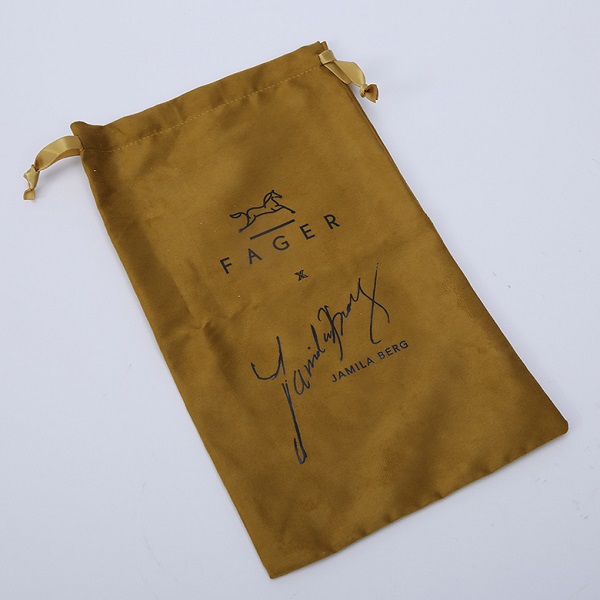
What Is an Other Drawstring Bag?
An Other Drawstring Bag is essentially a flexible pouch with a gathered opening that can be closed by pulling one or more cords, ribbons, or drawstrings. The term is particularly useful when a bag does not fit neatly into a single conventional category such as organza, satin, or velvet.
That flexibility is exactly what makes this category valuable for packaging buyers. A product may require a fabric with a particular texture, a special finish, a custom shape, an unusual size, or a decorative treatment that is not available in a standard pouch. Instead of forcing the product into an existing format, the bag can be developed around the actual packaging requirement.
For businesses selling jewelry, cosmetics, accessories, gifts, promotional items, and other small products, this type of packaging can also create a more personal unboxing experience. The simple action of pulling the drawstring closed gives the package a tactile quality that a conventional paper sleeve or plain plastic bag may not provide.
Where Can an Other Drawstring Bag Be Used?
The biggest advantage of this packaging format is its versatility. The same basic construction can be adapted for very different products by changing the material, dimensions, closure, decoration, and internal structure.
Jewelry Packaging
Small drawstring pouches are suitable for earrings, bracelets, necklaces, rings, watches, and gift sets. Soft materials can provide a refined presentation while helping separate individual pieces.
Cosmetic Packaging
Drawstring bags can hold beauty accessories, small cosmetic sets, samples, brushes, or personal-care items. Custom printing can help reinforce a consistent visual identity.
Gift Packaging
A fabric pouch can turn a simple product into a more complete gift presentation. It can also become reusable packaging rather than disposable wrapping.
Promotional Products
Businesses can use custom drawstring bags for events, campaigns, product launches, corporate gifts, and promotional kits where brand visibility matters.
Accessories
Small accessories, hair products, fashion items, electronic accessories, and other compact products can benefit from lightweight storage packaging.
Retail Presentation
Custom pouches can support a coordinated retail presentation when the packaging needs to match a brand's colors, product range, or overall visual style.
Because the application varies so widely, purchasing a drawstring bag based only on appearance is risky. A bag that looks excellent in a product photo may still be unsuitable if the opening is too small, the fabric is too thin, the cords are uncomfortable to pull, or the dimensions do not allow enough room for the actual product.
Which Material Characteristics Matter Most?
Material selection should begin with the product rather than the bag itself. Consider weight, surface sensitivity, required protection, visual positioning, expected reuse, and target price before choosing a fabric.
| Material Direction | Typical Advantage | Suitable Applications | Important Consideration |
|---|---|---|---|
| Cotton / Fabric | Natural appearance and flexible construction | Jewelry, gifts, accessories, promotional packaging | Fabric weight and weave affect durability and appearance |
| Jute / Natural Fiber | Textured, distinctive visual character | Gifts, crafts, natural-themed products | Texture should match the product positioning |
| Satin | Smooth and decorative appearance | Jewelry, beauty products, premium gifts | Surface can influence printing and handling requirements |
| Velvet | Soft, rich, premium-feeling surface | Jewelry and luxury presentation | Thickness and pile can affect folding and printing |
| Organza | Lightweight and semi-transparent presentation | Gifts, wedding favors, decorative products | Less suitable when opacity or stronger protection is required |
| Customized Fabric | Greater freedom for specific requirements | Special projects and branded packaging | Sampling is especially important before mass production |
There is no universal “best” material. For example, a delicate jewelry item may benefit from a soft inner surface, while a promotional kit may prioritize durability and cost control. A natural product brand may want visible texture, whereas a premium cosmetics brand may prefer a smooth, elegant finish.
Yolan Craft Packaging Co.,Limited works across packaging categories including drawstring bags and uses materials such as cotton, organza, velvet, paper, non-woven fabric, and other customizable materials. This broader material capability is useful when the packaging specification falls outside a standard bag format.
How Can You Determine the Right Bag Size?
Incorrect sizing is one of the most common reasons a packaging project becomes inefficient. A bag that is too small can damage the product or make packing frustrating. A bag that is excessively large can make the product appear insignificant and increase material consumption unnecessarily.
1. Measure the Product
Record the product's length, width, height, or diameter. For irregular products, measure the widest and tallest points rather than relying on nominal dimensions.
2. Consider the Opening
The body of the bag may be large enough while the opening remains too narrow. Always check whether the actual product can pass comfortably through the opening before the drawstring is pulled.
3. Allow Practical Clearance
A small amount of additional space makes packing easier and prevents the fabric from being excessively stretched. The exact allowance depends on product shape, material flexibility, and the desired appearance.
4. Think About Presentation
A packaging bag should not merely contain the product. It should present it well. If the product becomes buried at the bottom of an oversized pouch, the packaging may lose some of its visual impact.
How Does Customization Improve an Other Drawstring Bag?
Customization should do more than place a logo in the center of a bag. The strongest packaging designs consider the complete visual experience, including material, color, cord, printing, finishing, size, and proportion.
Logo and Artwork
Depending on the material and desired appearance, branding may involve screen printing, embroidery, embossing, hot stamping, woven labels, paper labels, or other decorative techniques. The most appropriate method depends on the fabric surface, artwork complexity, quantity, and desired finish.
Color Coordination
The bag can match a brand color, complement the product, or deliberately create contrast. Do not select a color based only on a digital screen image because fabric, printing, lighting, and finishing can affect the final visual result.
Drawstring Selection
The cord is both functional and visual. Its thickness, texture, color, and length should be proportionate to the bag. A delicate pouch with an excessively heavy cord may look unbalanced, while a large bag with a weak or undersized cord can create practical problems.
Finishing Details
Small details can significantly affect perceived quality. Reinforced seams, neat hems, consistent stitching, clean printing, secure cord channels, and properly finished edges all contribute to the final customer experience.
For businesses ordering custom packaging for the first time, sampling is particularly valuable. It allows the team to check color, dimensions, logo placement, material feel, closure performance, and packing efficiency before committing to a larger production quantity.
What Common Problems Should Buyers Avoid?
Choosing packaging only by unit price can create hidden costs later. A slightly cheaper bag may require additional labor, produce a higher rejection rate, or fail to create the expected product presentation.
- Choosing the size from the product name alone. Always verify actual dimensions and opening size.
- Ignoring the weight of the product. Lightweight fabric may not be appropriate for heavier contents.
- Skipping samples. Digital artwork cannot fully demonstrate physical texture, stitching, or closure performance.
- Using an unsuitable printing method. Different surfaces respond differently to decoration techniques.
- Forgetting the drawstring channel. The channel must be strong enough for repeated opening and closing.
- Overlooking packing efficiency. Packaging that takes too long to load can increase labor costs.
- Failing to define quality expectations. Confirm tolerances, logo placement, material requirements, and finishing details before production.
- Ordering without considering logistics. Packaging volume can become significant at higher quantities, so shipping arrangements should be considered early.
A professional packaging project therefore needs a complete specification rather than a simple request for “a custom drawstring bag.” The more clearly the requirements are defined, the easier it becomes to produce consistent results.
Which Details Should Be Included in a Purchase Specification?
A concise specification sheet can prevent repeated communication and reduce misunderstandings between a buyer and supplier. Consider including the following information:
| Specification | What to Confirm |
|---|---|
| Bag Type | Drawstring construction, single or double cord, pouch shape |
| Dimensions | Finished width, height, opening size, and any special dimensions |
| Material | Fabric type, weight, texture, opacity, and surface requirements |
| Color | Bag color, cord color, printed color, and reference standard if required |
| Logo | Artwork file, placement, size, colors, and decoration method |
| Quantity | Sample quantity, trial order, and expected production volume |
| Packaging | Individual packing, bulk packing, carton requirements, and labeling |
| Quality | Stitching, seams, printing consistency, cord strength, and appearance |
| Delivery | Required production schedule, destination, and shipping expectations |
A Simple Buyer Checklist
- Have the product dimensions been measured accurately?
- Is the opening wide enough for efficient packing?
- Does the material match the product's weight and sensitivity?
- Is the bag's appearance consistent with the brand?
- Has the logo artwork been checked at actual size?
- Are the drawstrings strong and easy to operate?
- Has a physical sample been approved?
- Are production tolerances and finishing expectations clear?
- Have packing and shipping requirements been discussed?
Why Does the Right Drawstring Bag Matter to the Customer Experience?
Packaging is often the first physical interaction customers have with a product after purchase. A carefully made pouch can communicate attention to detail before the product itself is even revealed.
For premium products, the packaging can reinforce perceived value. For promotional products, it can extend brand visibility beyond the initial purchase. For reusable packaging, the bag may continue serving the customer after the original product has been removed.
This is why functional details should never be separated from visual design. A beautiful bag with a weak seam creates a disappointing experience. A durable bag with poor proportions may look inexpensive. The strongest solution balances appearance, usability, product protection, production practicality, and brand identity.
Frequently Asked Questions About Other Drawstring Bags
1. What is an Other Drawstring Bag mainly used for?
It can be used for jewelry, cosmetics, gifts, accessories, promotional products, retail packaging, and many other compact products. Its main advantage is flexibility in material, size, decoration, and construction.
2. Can Other Drawstring Bags be customized?
Yes. Customization can cover dimensions, materials, colors, drawstrings, logo placement, printing, embroidery, labels, and other finishing details, depending on the project requirements.
3. How do I know which material is suitable?
Start with the product's weight, surface sensitivity, desired appearance, protection requirements, and budget. A soft material may suit delicate products, while stronger fabrics may be more appropriate for heavier or frequently reused packaging.
4. Should I request a sample before mass production?
For customized packaging, a sample is strongly recommended. It allows you to verify dimensions, material, color, logo placement, stitching, drawstring performance, and overall appearance before larger production begins.
5. Can the bag be made in a non-standard size?
Custom dimensions are possible for many drawstring bag projects. The final specification should consider the product dimensions, opening requirements, material behavior, and manufacturing method.
6. Which logo decoration method should I use?
The appropriate method depends on the fabric, artwork, quantity, and desired visual effect. Screen printing, embroidery, embossing, hot stamping, woven labels, and paper labels can each create different results.
7. Are drawstring bags suitable for premium packaging?
Yes. Premium positioning is achievable through appropriate material selection, precise dimensions, refined finishing, coordinated colors, quality drawstrings, and carefully controlled branding.
8. What information should I provide when requesting a quotation?
Provide the intended application, product dimensions, preferred material, bag size, quantity, colors, logo artwork, decoration method if known, packaging requirements, and delivery destination. Product photos or physical samples can also make communication easier.
A Better Way to Develop Custom Packaging
The most effective packaging projects begin with the product and work outward. Instead of starting with a generic bag and trying to make the product fit, define the actual requirements first: what needs to be packaged, how it will be handled, how it should look, how often the package may be reused, and what the customer should experience when opening it.
Once these questions are clear, material, size, construction, decoration, and quantity become much easier to determine. This approach can also reduce unnecessary revisions because each design decision has a practical reason behind it.
For businesses developing a new product line, seasonal packaging, promotional campaign, or upgraded retail presentation, an Other Drawstring Bag can provide a useful balance between flexibility and visual appeal.
Ready to Develop Your Custom Drawstring Packaging?
Whether you need a compact jewelry pouch, an elegant gift bag, a cosmetic packaging solution, or a completely customized drawstring design, the right specification can make the difference between ordinary packaging and a memorable product experience.
Yolan Craft Packaging Co.,Limited provides customized packaging solutions for businesses looking for practical materials, flexible designs, branded finishing, and product-specific packaging development.
Share your product dimensions, preferred material, quantity, logo artwork, and packaging requirements to begin discussing a suitable solution.
Contact Us