

Why Are Food Packs Shaping the Future of Safe and Convenient Packaging?
2025-12-03
Food packs have become a critical component in modern food distribution, storage, and transportation systems. As global demand for fresh, safe, and convenient consumables increases, the performance, durability, and sustainability of food-grade packaging continue to evolve rapidly.
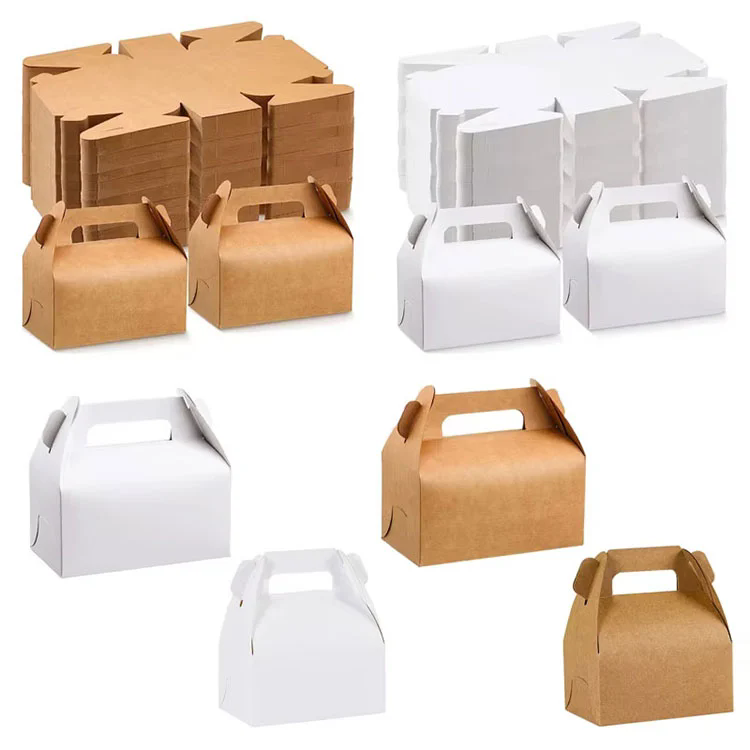
Food packs serve as barriers against contamination, moisture, oxygen, and physical impact. Their structure is engineered to restrict microbial exposure and extend shelf life without compromising product integrity. Advanced food packs utilize multi-layer materials that prevent chemical reactions between the content and external environment. Understanding how these packs work helps businesses choose the right packaging solutions for diverse food categories such as ready-to-eat meals, frozen foods, dried goods, fresh produce, and liquid beverages.
Modern manufacturing processes focus on improving tensile strength, temperature resistance, and sealing efficiency. The aim is to reduce leakage, preserve aroma, minimize oxidation, and maintain nutritional stability throughout storage and transit. This constant improvement ensures that food packs support both industrial-scale logistics and small-batch consumer distribution.
Key Product Specifications of Food Packs
| Parameter | Description |
|---|---|
| Material Type | Polyethylene (PE), Polypropylene (PP), PET, multilayer laminates, biodegradable formulations |
| Thickness Range | 30–200 microns, depending on food category and barrier needs |
| Temperature Resistance | –40°C to 120°C (freezer to microwave-safe options available) |
| Seal Type | Heat-sealed, zip-lock, vacuum-compatible, high-pressure resistant |
| Barrier Properties | Oxygen, moisture, UV, grease, and puncture resistance |
| Printing Capability | High-definition branding, QR codes, traceability identifiers |
| Food Safety Compliance | FDA, EU 10/2011, LFGB-grade contact-safe materials |
These parameters ensure the packs are suitable for high-volume food processors, restaurants, retail chains, and e-commerce food delivery companies seeking reliable packaging performance.
How Do Product Features and Structural Advantages Support High-Demand Food Businesses?
Food packs achieve optimal protection by combining mechanical strength with advanced material science. Their structural advantages contribute directly to consumer satisfaction and cost-efficiency for businesses.
Enhanced Durability and Barrier Protection
Food packs utilize reinforced structures designed to resist tearing, deformation, and impact. Oxygen-barrier layers slow oxidation, keeping food items crisp, flavorful, and visually appealing. Moisture-barrier properties stop sogginess or dehydration while protecting products from humidity fluctuations during transport.
Temperature Adaptability Across Multiple Applications
Multi-temperature compatibility allows these packs to support freezer storage, refrigerated shelving, and microwave reheating. This versatility is critical for ready-meal manufacturers, frozen food suppliers, cloud kitchens, and meal-prep brands that rely on temperature-stable packaging.
Portability and Convenience for End-Users
Lightweight construction, user-friendly openings, resealable features, and spill-proof designs improve consumer interaction. Convenient packs reflect a broader shift toward efficient daily consumption habits, especially in urban markets where time-saving packaging plays a crucial role.
Cost-Effective Logistics and Shelf Optimization
Streamlined shapes and stackable designs reduce shipping volume and warehouse costs. Retailers benefit from improved shelf presentation, while brands benefit from custom printability that supports marketing, compliance labeling, and counterfeit prevention.
How Will Sustainability and Smart Packaging Drive Future Trends in Food Packs?
As environmental concerns grow, manufacturers are shifting toward responsible material choices and digital-enabled features. The future of food packs is defined by three core innovations:
Biodegradable and Compostable Materials
Sustainable formulations derived from plant-based polymers are becoming a mainstream alternative. These materials reduce landfill waste and meet increasing regulatory requirements on packaging recyclability.
Intelligent Packaging Technologies
Smart labelling, QR-enabled traceability, freshness indicators, and real-time monitoring are becoming essential for international food supply chains. These additions help businesses validate storage conditions and build consumer trust.
Advanced Barrier Films with Reduced Plastic Consumption
Next-generation multi-layer films use thinner structures without sacrificing performance. Lower material consumption reduces cost, minimizes environmental impact, and improves manufacturing efficiency.
These trends illustrate how food packs will evolve into more responsible, efficient, and technologically integrated solutions that support global food safety and sustainability standards.
How Do Market Needs and Consumer Behaviors Influence the Global Growth of Food Packs?
The food packaging market continues to expand due to shifts in lifestyle, retail formats, and global trade dynamics. Consumers demand safe, hygienic, and easy-to-use packaging options, while businesses require durable and efficient materials to support large-scale logistics.
Rise of Ready-to-Eat and On-the-Go Consumption
Urban populations prioritize convenience. Food packs that support single-serve, lightweight, leak-proof design have become essential in retail chains, vending systems, and delivery services.
Growth of Food Delivery and E-Commerce
The packaging must endure long transport times, variable temperature exposure, and handling conditions. Packs with strong seals, high tear-resistance, and odor retention capabilities are increasingly preferred.
Globalization of Food Trade
Export-grade food packs require compliance with rigorous international standards. Multi-layer protective materials prevent contamination and ensure food remains intact across long shipment cycles.
Branding and Visual Appeal
With shelf competition growing, companies rely on packaging aesthetics to attract buyers. High-quality printing, enhanced textures, and transparent windows help customers evaluate product freshness and quality.
Frequently Asked Questions About Food Packs
Q1: How can food packs preserve freshness during long-distance transportation?
A: Food packs preserve freshness by using multi-layer barrier technology that blocks moisture, oxygen, and contaminants. These layers slow down oxidation and temperature-related degradation. High-strength seals prevent leakage, while controlled-stretch materials absorb impact during shipment. Additionally, freezer-compatible films maintain structural stability at low temperatures, ensuring food products arrive in optimal condition.
Q2: How do businesses choose the right material for specific food packaging applications?
A: The material selection depends on food acidity, moisture content, fat level, storage temperature, and transportation conditions. For high-moisture foods, moisture-barrier PET or multi-layer laminates perform best. Dry goods often require lightweight PE with moderate barrier capability. Microwave-safe PP suits hot meals, while frozen items benefit from high-strength, low-temperature resistant films. Regulatory compliance should also be verified to ensure food safety.
Food packs have transformed into highly engineered solutions that support the complex needs of global food distribution. Their advanced barrier properties, durable structure, sustainability features, and compatibility with diverse temperature conditions make them essential tools for both industrial and consumer applications. As technology advances, the industry will continue to adopt eco-friendly materials, intelligent monitoring features, and more efficient production techniques. These enhancements will further improve product safety, reduce environmental impact, and elevate the overall user experience.
As the packaging field evolves, companies seeking professional and reliable solutions will benefit from working with dedicated manufacturers committed to quality and innovation. New Power provides high-performance food packs designed to meet global standards and adapt to emerging trends. For detailed specifications, bulk orders, or customized packaging requirements, contact us to discuss how our advanced solutions can support your business needs.