

Why Are Spout Pouches Transforming Flexible Packaging ?
2025-12-01
A spout pouch is a flexible packaging format engineered with a laminated film structure and a functional spout-and-cap dispensing system. It delivers a lightweight, durable, and portable solution for liquid, semi-liquid, and granular products across food, beverage, personal care, home care, and industrial categories. As consumer lifestyles lean toward convenience and sustainability, spout pouches have become a preferred alternative to rigid bottles, jars, and metal cans.
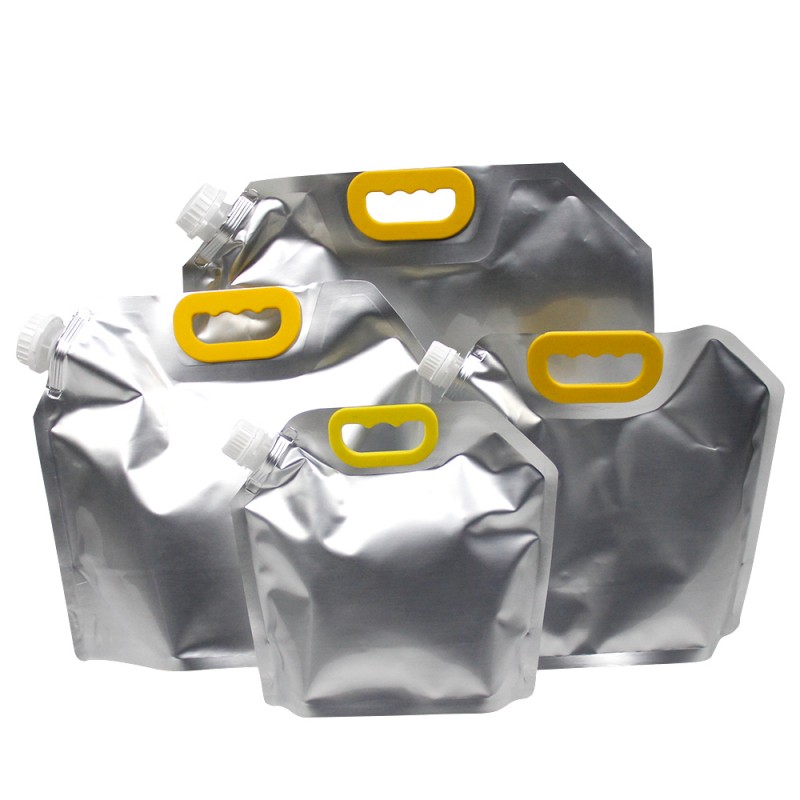
Key Product Specifications (Standard Industrial Parameters)
| Parameter Category | Available Options / Technical Details |
|---|---|
| Material Structure | PET/NY/PE, PET/AL/NY/PE, PET/PE, Kraft/PET/PE, recyclable mono-PE, high-barrier EVOH film |
| Thickness Range | 80–180 microns depending on application and filling requirements |
| Spout Size | 8mm, 10mm, 16mm, 22mm, 28mm, customized angles (90°, 45°) |
| Spout Type | Corner spout, top-spout, centrally placed spout, anti-choke spout for kids |
| Capacity | 50ml–5L (customizable for industrial or household refills) |
| Print Technology | Rotogravure (up to 10 colors), digital printing available for short runs |
| Functional Add-Ons | Tear-notches, handle holes, bottom gusset, stand-up construction, matte/gloss finishes |
| Barrier Performance | Moisture barrier, oxygen barrier, UV protection, aroma protection, anti-leak heat sealing |
| Filling Methods | Hot filling, cold filling, retort (upon material selection), aseptic-compatible |
Why Do Modern Industries Choose Spout Pouches Over Traditional Packaging?
Why Are Spout Pouches Considered More Sustainable?
Several factors drive the sustainability advantage of spout pouches. Compared with rigid PET bottles or glass jars, the manufacturing and transportation carbon footprint is dramatically reduced. Flexible structures require less raw material, weigh significantly less, and optimize space during shipping. This efficiency minimizes fuel consumption and lowers packaging waste at the consumer stage. Mono-material recyclable options further enhance circular-economy compatibility, aligning with global plastic reduction initiatives.
Why Do Spout Pouches Improve User Convenience?
User behavior studies consistently show that consumers prefer packaging that is lightweight, squeezable, and resealable. Spout pouches ensure controlled dispensing without spills, making them ideal for sauces, baby food, gels, detergents, and automotive liquids. The ergonomic spout design allows consumption or pouring directly from the pouch, eliminating the need for additional utensils or containers. Its ability to stand upright supports easy storage and better shelf presentation.
Why Are Brands Across Industries Transitioning to Spout Pouches?
Aside from sustainability and convenience, spout pouches support vivid branding and product differentiation. Full-surface printing allows complete control over artwork and messaging. Compared to rigid containers that rely on stickers or limited-shaped surfaces, spout pouches maximize visual impact. Additionally, the cost-to-value ratio appeals to both startups and established brands—especially in competitive markets where profit margins require operational efficiency.
Why Does the Hygienic Structure Benefit Sensitive Products?
Many spout pouches include high-barrier materials such as EVOH or aluminum that prevent oxygen ingress and moisture loss. This protection helps maintain freshness for baby food, nutritional supplements, oils, and condiments. For personal care and cosmetic products, the pouch limits contamination risks by minimizing repeated exposure to air.
How Do Spout Pouches Work, and How Can They Optimize Product Performance?
How Does Structure Impact Durability and Leak Resistance?
Spout pouches utilize multi-layer laminated films engineered for mechanical strength. Heat-sealed seams ensure resistance against pressure, making them suitable for transport and handling. The spout and cap undergo ultrasonic or heat welding to ensure a fully integrated and leak-proof seal. High-performance films maintain stability even during hot filling or pasteurization.
How Are Spout Pouches Manufactured?
The manufacturing workflow typically includes:
-
Material Selection: Based on barrier needs, product sensitivity, filling method, and sustainability goals.
-
Lamination: Films are bonded to create a multi-layer structure.
-
Printing: Artwork is applied via rotogravure or digital printing.
-
Pouch Forming: Edges are sealed following the chosen shape (flat, stand-up, gusset).
-
Spout Welding: The spout is fixed by precision sealing.
-
Quality Inspection: Leak tests, tensile strength tests, and drop tests.
-
Bulk Packaging: Prepared for shipment to filling facilities.
Industries requiring high-speed automation can integrate spout pouches directly into existing filling equipment, ensuring efficiency without major operational changes.
How Do Spout Pouches Improve Brand Marketing?
Spout pouches offer extensive print areas from top to bottom, allowing dynamic branding opportunities. Matte, gloss, metallic, kraft paper, soft-touch textures, and window designs help brands achieve premium shelf impact. They also accommodate QR codes, traceability markings, and interactive design elements that elevate consumer engagement.
How Are They Applied Across Different Sectors?
-
Food & Beverage: Juices, smoothies, sauces, yogurt, edible oils, purees.
-
Infant & Nutrition: Baby food, supplements, protein gels.
-
Personal Care: Shampoo, conditioner, lotions, liquid soaps.
-
Home Care: Liquid detergents, fabric softeners, cleaning concentrates.
-
Automotive & Industrial: Lubricants, coolants, additives, adhesives.
Each segment benefits from the pouch’s protective barrier, portability, and enhanced usability.
What Future Trends Will Lead the Growth of Spout Pouches Through 2030?
Trend: Accelerated Demand for Recyclable Mono-Material Structures
Regulations across Europe, North America, and Asia increasingly require brands to adopt recyclable packaging. Mono-material PE spout pouches are becoming the industry standard because they simplify end-of-life recycling. Future advancements will focus on improved barrier performance using single-material structures without sacrificing protection.
Trend: Smart Packaging Integration
Smart packaging elements such as NFC chips, freshness indicators, and digital authentication codes will increase traction in the next five years. These features enhance traceability, consumer engagement, and anti-counterfeit protection, especially for high-value nutrition, supplements, and skincare products.
Trend: Expansion of Refill-Economy Models
Refill pouches are expected to become dominant in home care and personal care. Lightweight spout pouches significantly reduce plastic usage in refill programs while supporting eco-friendly branding. Retailers and large chains increasingly encourage refill systems to minimize plastic waste.
Trend: Larger-Volume Industrial Spout Pouches
Industrial sectors are shifting from rigid jerry cans to large spout pouches for adhesives, automotive fluids, agricultural nutrients, and chemical concentrates. The switch reduces transportation costs and improves worker ergonomics.
Common Questions About Spout Pouches
Q1: How long can products stay fresh inside a spout pouch?
A: Shelf life depends on material structure and product type. A high-barrier structure such as PET/NY/PE or PET/AL/NY/PE can protect oxygen-sensitive foods for 12–24 months, while standard PET/PE structures may support 6–12 months. Barrier films like EVOH further preserve aroma, color, and nutritional value. Proper sealing during filling also plays a significant role in maintaining freshness.
Q2: Can spout pouches handle hot filling or pasteurization?
A: Yes, when designed with heat-resistant materials such as PET/NY/CPP or retort-grade high-barrier structures. These films withstand high temperatures without deforming. Many food and beverage companies choose spout pouches specifically for hot-fill juice, sauces, purees, or semi-pasteurized applications. Manufacturers evaluate heat resistance, shrink behavior, and seal strength to ensure safety and product integrity.
Why Spout Pouches Will Continue to Dominate and How to Partner with the Right Manufacturer
Spout pouches have evolved into one of the most efficient and consumer-friendly formats in the global packaging industry. Their ability to reduce material consumption, optimize logistics, enhance product protection, and strengthen brand identity makes them the preferred choice across an expanding range of applications. As sustainability requirements and refill-economy models intensify, businesses that adopt advanced spout pouch solutions now will be well-positioned for future market growth.
Huadong, as a professional packaging manufacturer with years of technical expertise, offers high-performance spout pouch solutions across multiple industries, combining strong barrier properties, precise welding, customizable spout systems, and visually compelling printing. For brands seeking long-term packaging innovation and reliable production support, the team at Huadong is ready to provide tailored guidance and manufacturing excellence.
For more product specifications, customization options, and consultation, please contact us.