

Why Does a Well-Designed Folding Box Still Matter in a Digital-First Market?
2026-01-28
When I first started working closely with packaging manufacturers, I quickly realized that packaging is never just a container. It is often the first physical conversation between a brand and its customer. That realization became clearer as I learned more about Guangdong Dicai Printing Co., Ltd., a company that has gradually refined its approach to packaging by paying attention to real-world usage rather than short-lived trends. In that process, the role of a high-quality Folding Box naturally stood out as something far more strategic than many buyers initially assume.
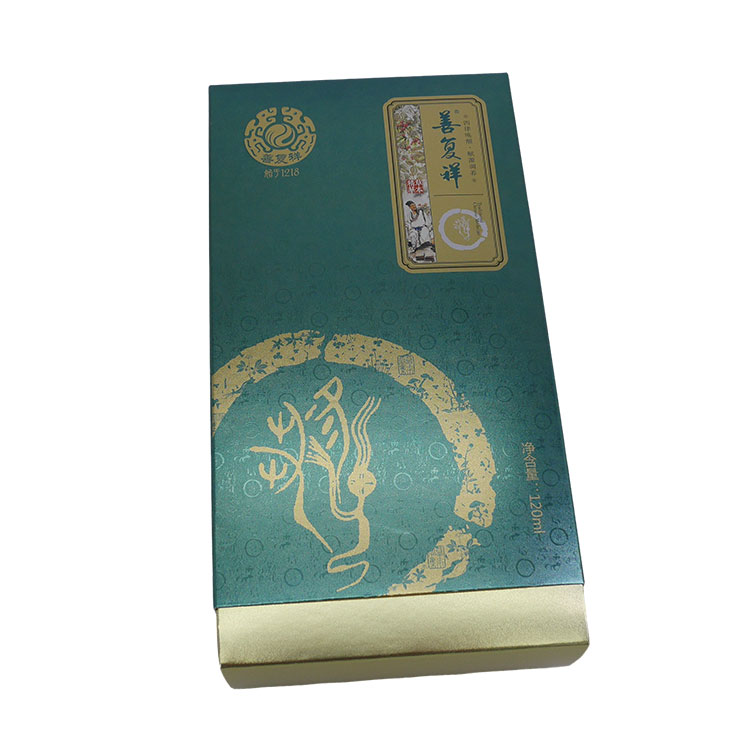
What Problems Do Buyers Commonly Face When Choosing a Folding Box?
In my conversations with brand owners and sourcing managers, the same concerns come up again and again. A Folding Box may look simple, but small design or production mistakes can lead to serious downstream costs.
- Packaging that collapses or deforms during transportation
- Inconsistent printing that weakens brand recognition
- Boxes that look good but are inefficient to store or assemble
- Materials that fail to balance protection, sustainability, and cost
From my perspective, these issues are rarely caused by the concept of folding cartons themselves. They usually stem from a lack of structural planning and material matching at the early stage.
How Does Structural Design Influence the Performance of a Folding Box?
One thing I have learned is that structure decides everything. A well-engineered Folding Box should arrive flat, assemble smoothly, and maintain its shape under pressure. This is where experienced manufacturers make a real difference.
| Design Aspect | Why It Matters to Buyers |
|---|---|
| Die-cut precision | Ensures clean folds and faster assembly on packing lines |
| Load-bearing structure | Protects products during stacking and long-distance shipping |
| Flat-pack efficiency | Reduces storage space and logistics costs |
In real supply chains, these details translate directly into fewer damaged goods and more predictable fulfillment outcomes.
Why Do Materials Play a Critical Role in a Folding Box?
From my experience, material selection is where cost control and brand perception intersect. A Folding Box must feel sturdy without becoming wasteful. Paperboard grades, surface treatments, and coatings all affect how the box performs in daily handling.
- Paperboard thickness influences rigidity and perceived quality
- Surface finishes affect print clarity and shelf appeal
- Eco-conscious materials support compliance and brand values
Manufacturers that understand these trade-offs help buyers avoid over-engineering while still meeting performance expectations.
How Can a Folding Box Enhance Brand Communication?
I often remind clients that packaging is silent marketing. A Folding Box carries logos, colors, and messages long before the product itself is used. Consistent printing and thoughtful layout reinforce brand trust in subtle but powerful ways.
| Brand Element | Impact on Customer Perception |
|---|---|
| Color accuracy | Builds familiarity and recognition across channels |
| Typography clarity | Improves readability and professionalism |
| Finish consistency | Signals reliability and product value |
This is where printing expertise and quality control become just as important as the box structure itself.
What Should Buyers Look for in a Reliable Folding Box Supplier?
Based on what I have seen in long-term partnerships, buyers benefit most from suppliers who think beyond unit price. A dependable Folding Box supplier typically focuses on process stability and communication.
- Clear feedback during design and sampling stages
- Stable production quality across repeat orders
- Flexibility for customization and scaling
- Understanding of export and logistics requirements
This approach reduces surprises and builds trust over time, especially for brands operating in competitive international markets.
Is It Time to Rethink How You Source Your Folding Box?
After years of observing how packaging decisions affect branding, logistics, and customer satisfaction, I am convinced that the right Folding Box is an investment rather than a commodity. When structure, materials, and printing are aligned with real usage scenarios, the results are visible across the entire supply chain.
If you are evaluating new packaging solutions or refining an existing design, this is the moment to ask better questions and work with a manufacturer that understands both function and presentation. To explore practical options and discuss your specific requirements, contact us today and start a conversation that leads to smarter packaging decisions.